You Won’t Believe What I Found in Kas — Art, Soul, and Hidden Market Magic
Kas, Turkey, isn’t just turquoise waters and stone streets — it’s a living canvas. I went looking for souvenirs but found something deeper: art woven into everyday life. From hand-painted ceramics to embroidered textiles, every shop tells a story. This isn’t mass-produced tourism; it’s authentic creation, born from local hands and ancient traditions. The real magic? Discovering how shopping here becomes a journey through culture, color, and craftsmanship — one unforgettable piece at a time.
First Impressions: Where Art Meets the Mediterranean
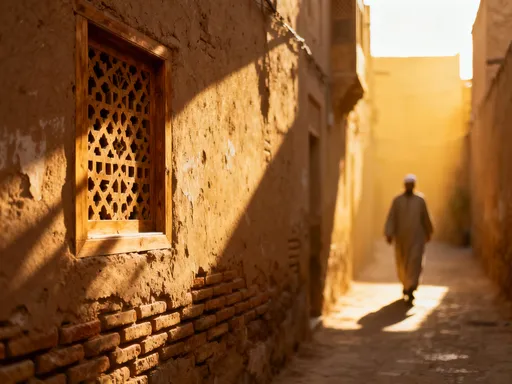
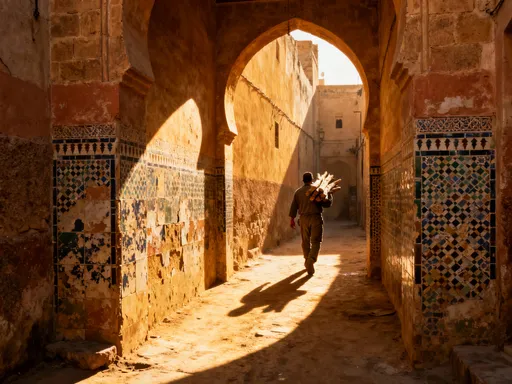
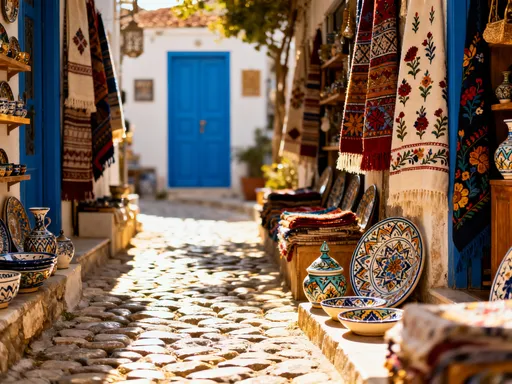
Kas unfolds like a carefully painted postcard, where the Mediterranean breeze carries the scent of jasmine and sea salt through narrow, winding lanes. Whitewashed buildings with terracotta roofs climb gently from the harbor, their shutters painted in deep cobalt, sage green, or sun-bleached coral. Bougainvillea spills over walls in vibrant bursts of magenta and violet, framing doorways that lead to quiet courtyards or tucked-away studios. The town’s visual harmony is no accident — it’s a reflection of a deep-rooted respect for beauty, balance, and tradition.
Every step through the town center reveals an artistic sensibility embedded in the urban fabric. Storefronts are not cluttered with generic tourist trinkets but thoughtfully arranged with handmade goods — hand-thrown pottery on woven reed mats, bolts of naturally dyed fabric draped like banners, and delicate silver jewelry displayed in wooden boxes. Even the signage is crafted with care: painted in flowing calligraphy or carved into stone, guiding visitors not just to shops but to experiences. This attention to detail sets the tone for what lies ahead — a shopping experience that feels more like cultural exploration than consumerism.
The natural beauty of Kas enhances its creative atmosphere. Perched on a rocky outcrop above the sea, the town offers panoramic views of the Lycian coastline, where turquoise waters lap against hidden coves and pine-covered hills roll into the distance. This harmony between land and sea inspires much of the local art. Artists and artisans draw from the colors of the landscape — the deep blue of the ocean at dusk, the golden glow of limestone cliffs at sunrise, the earthy tones of olive groves and wild thyme-covered slopes. As a result, the art found here doesn’t feel imported or artificial; it feels like an extension of the environment itself.
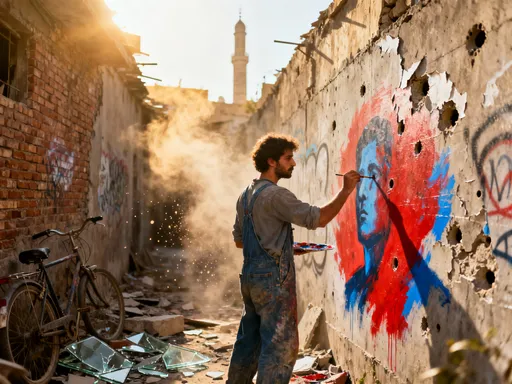
Walking through Kas, one quickly realizes that art is not confined to galleries or studios. It spills into the streets, where mosaic-tiled benches invite rest, and small sculptures appear unexpectedly in alley corners. Murals depicting mythological figures from ancient Lycian history adorn exterior walls, linking the present to a long artistic lineage. The town’s aesthetic is not curated for tourists alone; it reflects a genuine local pride in craftsmanship and heritage. For the discerning traveler, especially those who value authenticity and soulful design, Kas offers a refreshing contrast to more commercialized coastal destinations.
The Heartbeat of Kas: Local Artisans and Their Craft
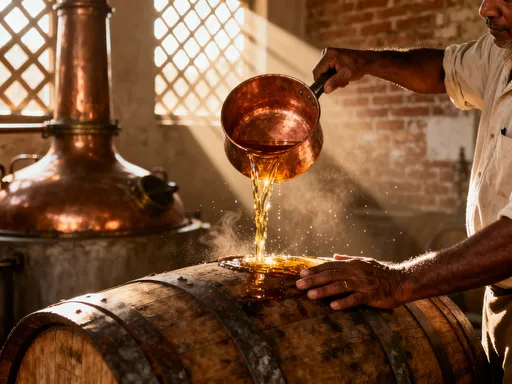
At the core of Kas’s artistic identity are the artisans — men and women whose hands shape beauty from raw materials with patience, skill, and deep cultural knowledge. These creators are not factory workers churning out replicas; they are custodians of tradition, many of whom learned their craft from parents or grandparents. Their workshops, often tucked behind unassuming doors or nestled in quiet side streets, are where the soul of Kas truly pulses. Here, time slows, and every piece is shaped with intention.
Ceramics are among the most celebrated art forms in the region. Local potters use time-honored techniques, shaping clay on foot-powered wheels and firing their creations in wood-burning kilns. The designs often feature motifs inspired by nature — olive branches, waves, sunbursts — painted in mineral-based pigments that yield soft, earthy hues. Unlike mass-produced ceramics, each piece bears slight variations, a testament to the human touch. Some artisans incorporate ancient Anatolian patterns, preserving visual languages that have survived for centuries. When you hold one of these bowls or vases, you’re not just holding pottery — you’re holding history.
Textile art is equally revered. In small ateliers, weavers work on wooden looms, creating scarves, table runners, and cushions from cotton, wool, and silk. Many of these textiles are dyed using natural ingredients like pomegranate peels, walnut husks, and indigo, resulting in rich, organic colors that deepen over time. Embroidery is another hallmark, with intricate patterns passed down through generations of women in the region. These designs often carry symbolic meanings — protection, fertility, prosperity — turning each textile into a wearable or displayable story.
Painters and illustrators also thrive in Kas, drawn by the quality of light and the town’s timeless charm. Many work in small studios open to the public, where visitors can watch them layer paint onto canvas, capturing seascapes, village scenes, or abstract interpretations of local myths. Some collaborate with artisans, transferring their designs onto ceramics or textiles, creating cross-disciplinary works that reflect the interconnectedness of Kas’s creative community.
Supporting these artisans does more than bring home a beautiful object — it sustains a way of life. In an era where fast fashion and factory-made souvenirs dominate global markets, choosing to buy directly from local makers ensures that traditional skills are not lost. It allows families to continue their craft, provides fair wages, and strengthens the local economy. For travelers, especially women who appreciate the care and effort behind handmade goods, this connection feels deeply meaningful. It transforms shopping from a transaction into a quiet act of cultural preservation.
Beyond Souvenirs: Shopping as Cultural Connection
In Kas, purchasing art is rarely a passive exchange. It is an invitation to engage, to listen, and to learn. Unlike impersonal retail environments, many shops and studios welcome visitors to step inside, observe the creative process, and speak directly with the makers. This level of access transforms shopping into a dialogue — one that fosters mutual respect and understanding between traveler and artisan.
Imagine standing in a sunlit ceramic workshop, watching a potter shape a vase on a spinning wheel. As the clay rises between their hands, they explain how the spiral pattern etched into the surface represents the cycle of life — a design passed down from their grandmother. Or picture sitting with a weaver in a shaded courtyard, sipping herbal tea while they demonstrate how a particular stitch is used to create a border pattern believed to ward off misfortune. These moments are not staged performances; they are genuine expressions of pride and tradition.
For many visitors, especially women who value connection and storytelling, these interactions are the most memorable part of the journey. A scarf is no longer just a scarf — it becomes a symbol of the afternoon spent learning about natural dyes. A hand-painted plate is not just décor — it carries the memory of the artist who smiled as they explained the significance of the olive branch motif. These objects become vessels of experience, imbued with the warmth of human connection.
This emotional dimension elevates the value of what is purchased. In a world where so much is disposable, owning something made with care, intention, and cultural meaning offers a sense of grounding. It reminds us that beauty does not have to be perfect to be precious. A slightly uneven stitch, a glaze that pooled in an unexpected way — these imperfections speak of authenticity, of a process that honors the natural rhythm of creation.
Moreover, these exchanges often spark personal reflection. Travelers may find themselves thinking about their own family traditions, the skills they’ve inherited, or the stories they carry. In this way, Kas becomes more than a destination — it becomes a mirror, inviting introspection and appreciation for the quiet acts of creation that sustain cultures around the world.
Must-Visit Spots: Galleries, Bazaars, and Hidden Workshops
For those eager to explore Kas’s artistic offerings, several real and accessible locations provide a window into its creative heart. Along Liman Caddesi, the main street leading from the harbor, a series of small galleries and boutique shops showcase the best of local talent. These are not chain stores or souvenir stalls, but independent spaces curated with care. Many feature rotating exhibitions, allowing repeat visitors to discover something new with each trip.
One notable stop is a family-run ceramic studio near the old mosque, where visitors can watch artisans at work and even try their hand at basic pottery techniques under gentle guidance. The pieces here range from modestly priced tea sets to larger decorative vases, with prices reflecting the time and skill involved. Another favorite is a textile atelier tucked into a quiet alley, known for its naturally dyed scarves and hand-embroidered linens. The owner, a third-generation weaver, often shares stories about the origins of her patterns while folding purchases in handmade paper.
Seasonal markets also play a vital role in the town’s artistic ecosystem. During spring and summer, weekend bazaars pop up in the central square, bringing together artisans from Kas and nearby villages. These markets are lively yet intimate, offering everything from hand-carved olive wood spoons to silver jewelry inspired by ancient Lycian designs. The atmosphere is warm and unhurried, with many vendors happy to explain their process or offer a taste of local honey or herbal tea.
For those seeking something truly unique, hidden workshops on the outskirts of town offer deeper immersion. These are not always marked with signs, but word-of-mouth or guided cultural walks can lead travelers to places where artists work in near-silence, focused on their craft. One such studio specializes in mosaics made from recycled sea glass, each piece painstakingly arranged into coastal scenes. Another is a painter’s retreat built into a hillside, where canvases lean against stone walls, drenched in Mediterranean light.
When shopping in Kas, it’s important to know how to identify authentic handmade items. Look for slight irregularities in shape or pattern — signs of human touch. Ask questions about materials and process; genuine artisans are usually eager to share. Avoid items that feel too uniform or bear labels from distant countries. While some imported goods are sold in Kas, the most meaningful purchases are those made directly from the creators themselves.
The Art of Timing: When to Shop and What to Find Seasonally
The rhythm of life in Kas shifts with the seasons, and so does its artistic landscape. Understanding these changes can greatly enhance the shopping experience, allowing visitors to find unique items and enjoy more personal interactions with artisans. While the town welcomes travelers year-round, each season offers distinct advantages.
Spring, from April to early June, is one of the most rewarding times to visit. The weather is mild, the wildflowers are in bloom, and the town begins to awaken from its winter quiet. This is when many artisans return to full production, and spring markets bring fresh energy to the streets. Hand-painted ceramic collections often debut during this time, featuring floral motifs inspired by the season. Textile makers may introduce new dye batches using plants harvested in early spring, resulting in soft, delicate hues not seen at other times of year.
Summer, while busier, offers its own magic. Pop-up studios and beachside craft fairs become common, especially in July and August. These temporary spaces often feature collaborative works — for example, a ceramicist and a painter combining talents on a limited-edition series. While crowds can make shopping more hectic, early mornings or late afternoons provide quieter moments to connect with makers. Some artisans offer workshops during this season, allowing visitors to create their own small pieces to take home.
Autumn, from September to November, is a hidden gem for art lovers. The summer rush fades, and locals reclaim their routines. Studio openings and cultural events are more frequent, often tied to harvest festivals or regional celebrations. This is an excellent time to find larger, more intricate works — tapestries, hand-painted furniture, or custom jewelry — as artisans have more time for detailed projects. The pace of interaction slows, making conversations with makers more relaxed and in-depth.
Winter, though quieter, should not be overlooked. While some shops reduce their hours, others thrive with a focus on intimate, local clientele. This is when you might stumble upon a weaver completing a family heirloom piece or a potter experimenting with new glazes. For travelers seeking solitude and authenticity, winter offers a rare chance to experience Kas’s art scene without distraction. Planning a visit around local events, such as craft fairs or cultural exhibitions, can also ensure access to the full range of creative offerings.
Practical Tips for a Meaningful Shopping Experience
To fully embrace the artistic spirit of Kas, a few practical considerations can make the experience more respectful, enjoyable, and rewarding. First, approach interactions with curiosity and humility. While many artisans speak some English, a few phrases in Turkish — such as “Güzel!” (Beautiful!) or “Nasıl yapılır?” (How is it made?) — can go a long way in building rapport. A warm smile and patient demeanor are universally appreciated.
Haggling is not a common practice in artisan shops, especially when prices reflect the true cost of materials and labor. In markets, polite negotiation may be expected, but it should be done gently and with awareness. Remember, these are not mass-produced goods — they represent hours of skilled work. Offering less than the stated price without reason can feel disrespectful. When in doubt, pay the asking price; the value lies not just in the object, but in the support it provides to the maker.
Photography should always be approached with permission. While many artisans are happy to have their work photographed, some may prefer not to be pictured, especially in their private workspaces. A simple nod or gesture can convey your intent, and most will respond warmly. If you share photos later, consider tagging or mentioning the artist if possible — it’s a small gesture that can mean a lot.
Carrying purchases safely is another consideration. Many shops offer sturdy packaging, and some provide shipping services for larger items like ceramics or textiles. If you’re traveling with limited luggage space, ask about delivery options — most reputable studios partner with reliable couriers. For delicate items, consider wrapping them in soft clothing or purchasing a padded travel case.
Budgeting wisely doesn’t mean sacrificing authenticity. Instead of buying many inexpensive items, consider investing in one or two meaningful pieces. A single hand-embroidered tablecloth or a hand-thrown ceramic bowl can become a cherished heirloom. Look for quality over quantity, and let your purchases reflect what resonated with you personally. This mindful approach not only supports artisans more effectively but also ensures that what you bring home carries lasting emotional value.
Why This Matters: Preserving Culture One Purchase at a Time
Every object purchased in Kas has the potential to do more than decorate a home — it can help sustain a culture. Traditional crafts are vulnerable in the face of globalization, mass production, and shifting economies. When travelers choose handmade, locally made art over imported souvenirs, they become allies in cultural preservation. Each purchase sends a message: that these skills matter, that heritage is worth protecting, and that beauty born of patience and tradition still has a place in the modern world.
In coastal Turkey, where tourism can sometimes erode local identity, supporting artisans helps maintain a balance. It allows families to stay rooted in their communities, passing down knowledge to younger generations. It fosters pride in cultural expression and ensures that the unique character of towns like Kas is not diluted by homogenized commerce. For women who value legacy, family, and the quiet strength of tradition, this form of mindful tourism aligns deeply with personal values.
Leaving Kas with a bag full of treasures is satisfying, but leaving with a heart full of stories is transformative. The true souvenir is not the object itself, but the memory of the artist’s hands shaping clay, the sound of the loom clicking in rhythm, the shared smile over a cup of tea. These moments linger, shaping how we see the world and our place within it.
Kas reminds us that art is not separate from life — it is woven into it. And when we choose to engage with it meaningfully, we don’t just take something home. We become part of a larger story — one of resilience, creativity, and connection that stretches across time and sea.