You Won’t Believe What I Ate Hiking Through Battambang’s Hidden Trails
Hiking in Battambang, Cambodia, isn’t just about breathtaking views—it’s a full sensory adventure, especially when food becomes part of the journey. I never expected to find smoky grilled meats, fresh river prawns, and sticky mango desserts on remote jungle paths. This is travel at its most authentic: where every trail leads to a village market, a family-run stall, or a roadside grill firing up local flavors. If you love exploring on foot and eating like a local, Battambang’s hiking and food culture combo will blow your mind.
Why Battambang? Uncovering Cambodia’s Underrated Gem
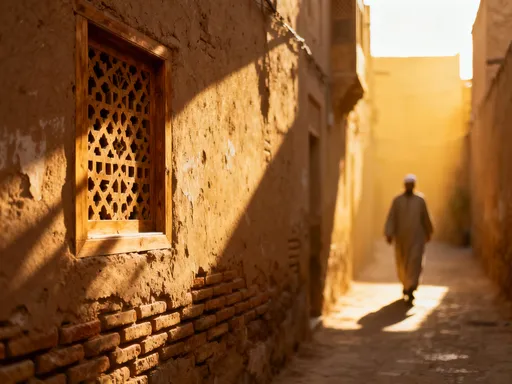
Battambang often escapes the spotlight compared to Cambodia’s more famous destinations like Siem Reap or Phnom Penh, yet it offers a uniquely balanced travel experience. Nestled along the banks of the Sangker River, this provincial capital blends French colonial architecture with traditional Khmer charm. Tree-lined boulevards are dotted with shuttered villas from the 1920s, while wooden stilt houses and bustling morning markets reflect everyday Cambodian life. Unlike the tourist-heavy temples of Angkor, Battambang invites visitors to slow down and observe, not just photograph.
The region’s cultural richness extends beyond architecture. Battambang is known as Cambodia’s artistic heartland, home to traditional shadow puppetry, silk weaving, and bamboo crafts passed down through generations. Local artisans open their workshops to curious travelers, offering hands-on experiences that deepen cultural appreciation. At the same time, the surrounding countryside is a patchwork of rice paddies, sugar palm trees, and small farming communities whose rhythms have changed little over decades.
What makes Battambang ideal for immersive travel is its accessibility and authenticity. It’s large enough to offer comfortable accommodations and reliable transport, yet small enough that a short walk can take you from city streets into open farmland. For travelers seeking meaningful connections, this balance of convenience and cultural depth creates the perfect foundation. Whether you're drawn to history, nature, or cuisine, Battambang delivers without the crowds, allowing space to truly absorb the atmosphere.
Hiking Beyond the Tourist Trail: Nature and Village Pathways
While Battambang is not typically marketed as a hiking destination, its landscape is surprisingly well-suited for walking adventures. The terrain around Phnom Sampov, a limestone hill on the city’s outskirts, offers gentle trails that wind through jungle-covered slopes and open viewpoints. These paths are not manicured boardwalks but natural dirt tracks used by locals for centuries. Along the way, hikers pass ancient caves, Buddhist shrines, and remnants of historical significance, including sites linked to Cambodia’s complex past.
Further afield, the Samlot region presents more rugged opportunities for exploration. Once a remote forested area, Samlot now features eco-trails maintained by community-based tourism initiatives. These routes vary in length and difficulty, with most suitable for beginners or intermediate hikers. The dry season, from November to April, is the best time to visit—when paths are firm, mosquitoes are fewer, and visibility is clear. During the monsoon months, trails can become muddy and slippery, though the landscape transforms into a lush, vibrant green that rewards the patient traveler.
What sets these hikes apart is how seamlessly they connect natural beauty with rural life. Trails often lead directly through farming villages, where rice fields stretch to the horizon and water buffalo rest under shady trees. Children wave as they walk home from school, and farmers pause their work to offer a smile or a brief greeting. These encounters are not staged for tourists; they are part of the daily rhythm. Walking through this environment allows visitors to experience Cambodia not as a series of attractions, but as a living, breathing culture rooted in land and tradition.
The Rhythm of Rural Life: How Hiking Reveals Authentic Cambodia
One of the most profound aspects of hiking in Battambang is the way it slows time. Unlike temple-hopping or city sightseeing, which can feel rushed and transactional, walking through the countryside fosters presence. There is no schedule to keep, no entry fee to pay—just the sound of birds, the rustle of palm leaves, and the occasional distant call of a village elder. This unhurried pace opens space for genuine connection, allowing travelers to witness the quiet dignity of rural Cambodian life.
Along the trails, it’s common to meet farmers tending their crops, women carrying woven baskets of vegetables, or monks in saffron robes collecting alms in the early morning light. These moments are not performances; they are ordinary scenes that unfold daily. For many visitors, seeing these rituals up close is a revelation. It shifts the perception of Cambodia from a country defined by its tragic history to one defined by resilience, community, and continuity.
Engaging respectfully with locals is essential. A simple nod, a polite greeting in Khmer—such as “Chum reap sour” (hello)—goes a long way. Smiles are universal, and most villagers appreciate the effort even if language is a barrier. Photography should be approached with care; always ask permission before taking pictures of people, especially children or religious figures. When done thoughtfully, these interactions enrich the journey, creating memories that last far longer than any souvenir.
From Trail to Table: Food as a Hiking Reward
In Cambodia, food is more than sustenance—it’s a social act, a gesture of welcome, and a reflection of identity. On the trails around Battambang, this truth becomes evident in the simplest of ways. After a few hours of walking under the sun, a small roadside stall offering cold drinks and warm snacks feels like a gift. These moments are not just about refueling; they are invitations to pause, connect, and share.
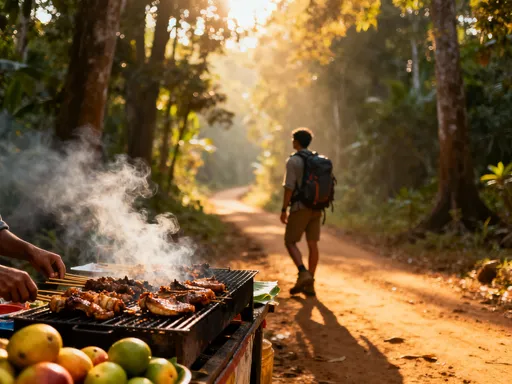
It’s common to see wooden carts with grills set up near trail exits or village entrances. Vendors sell freshly grilled bananas brushed with coconut milk and sugar, their edges caramelized to perfection. Salted duck eggs, wrapped in banana leaves, provide a savory contrast. Sugarcane juice, pressed on the spot and served over ice, offers instant refreshment. These foods are humble, made from ingredients grown nearby, yet they carry deep flavor and cultural meaning.
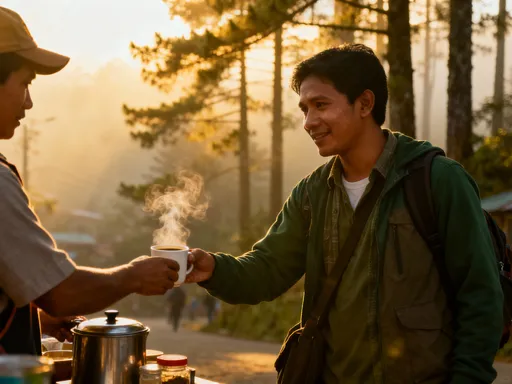
What makes these food stops special is the interaction they foster. A vendor might gesture for you to sit on a low wooden stool, pour you a glass of water, and point to different items with a proud smile. There may be no shared language, but the hospitality is clear. These exchanges transform a simple snack into a moment of human connection. For many travelers, these unplanned meals become the most memorable parts of the journey—proof that the best experiences are often the ones you don’t plan.
Battambang’s Signature Flavors: What You’ll Taste Along the Way
The food culture of Battambang is deeply rooted in its agricultural abundance and river access. Unlike urban centers where international cuisine blends with local dishes, here the flavors remain distinctly Khmer. One of the most beloved staples is num banh chok, a dish of soft rice noodles topped with a light green fish-based curry made from lemongrass, kaffir lime, and turmeric. Served with a mountain of fresh herbs, bean sprouts, and cucumber, it’s a cooling, aromatic meal perfect after a morning hike.
Another regional favorite is bok l’nguon, a nourishing soup packed with wild herbs, tender chicken or pork, and rice noodles. The broth is clear but deeply flavored, simmered for hours with local spices. It’s often eaten for breakfast by villagers and farmers, giving them energy for a long day in the fields. The herbs used—such as mint, basil, and sawtooth coriander—are typically grown in backyard gardens, ensuring freshness and sustainability.
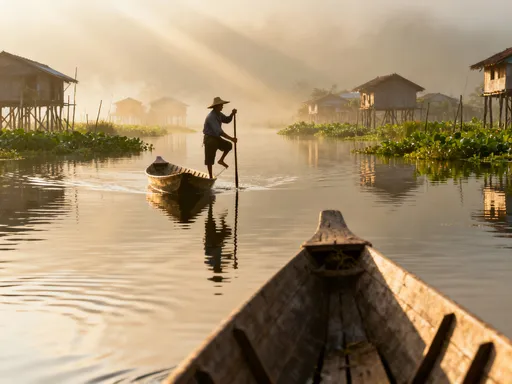
Fermented fish, known locally as prahok, plays a central role in many dishes, adding umami depth to curries and dipping sauces. While its strong aroma can be surprising to first-time visitors, it’s a cornerstone of Cambodian cuisine. When paired with fresh vegetables and steamed rice, it creates a balanced, satisfying meal. Along the riverbanks, floating markets offer another culinary adventure, where vendors in small boats sell grilled river prawns, sticky rice cakes, and tropical fruits like rambutan and mangosteen.
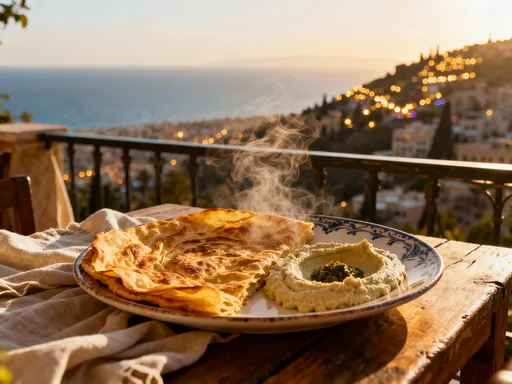
For dessert, nothing beats ripe mango slices served with sticky rice and a drizzle of coconut cream. In Battambang, mangoes grow abundantly, and the fruit is often harvested at peak ripeness. Eating one under the shade of a palm tree, juice running down your fingers, feels like the essence of tropical simplicity. These foods are not served on fine china or in air-conditioned restaurants—they are enjoyed on plastic stools, with bare feet in the dirt, exactly as they’ve been for generations.
Planning Your Food-Focused Hike: Practical Tips and Routes
To make the most of a hiking and food adventure in Battambang, a little planning goes a long way. A recommended half-day itinerary begins in the early morning with a hike up Phnom Sampov. Start before 8 a.m. to avoid the heat and witness the sunrise over the surrounding countryside. After exploring the caves and viewpoints, descend to the base of the hill, where several family-run food stalls serve num banh chok and hot tea. From there, take a short moto-taxi ride to Wat Banan, a lesser-known temple complex surrounded by farmland.
The trail around Wat Banan is flat and shaded, making it ideal for all fitness levels. After circling the temple and walking through nearby rice fields, stop at a village home that participates in community tourism. Many families welcome visitors for a traditional lunch, often featuring bok l’nguon, grilled fish, and fresh vegetables. Meals are eaten on the floor, cross-legged, in true Cambodian style. This experience supports local livelihoods and offers insight into daily home life.
For a full-day adventure, consider joining a guided eco-tour that includes hiking, cycling, and food tasting. Reputable local operators offer multi-stop tours that combine nature trails with visits to organic farms, floating markets, and artisan workshops. These tours often include transportation, a knowledgeable guide, and a set menu of regional dishes. While slightly more structured, they provide a safe and enriching way to explore deeper into the countryside.
When packing for a hike, prioritize lightweight clothing, a wide-brimmed hat, sunscreen, and plenty of water. Trails do not have vending machines or convenience stores, so bringing snacks is wise—though be prepared to replace them with something even better at the next village stall. Always carry small bills in Cambodian riel or US dollars, as most vendors do not accept cards. And above all, bring curiosity. The best meals are often found where there’s no sign, no menu, and no expectation—just warmth, smoke from a charcoal grill, and the smell of something delicious cooking over an open flame.
Why This Experience Matters: Blending Movement, Culture, and Taste
Hiking through Battambang and eating like a local is more than a vacation—it’s a way of traveling with intention. In a world where tourism can sometimes feel extractive, this kind of experience feels reciprocal. Every step taken on a village path, every meal shared with a family, every smile exchanged along the way contributes to a deeper understanding of place and people. It reminds us that travel is not just about seeing new sights, but about feeling connected to the world in a more meaningful way.
Supporting small food vendors and community-based tourism initiatives also promotes sustainability. Money spent at a roadside stall goes directly to a family, not a multinational corporation. Choosing eco-friendly tours helps preserve natural landscapes and cultural traditions. These choices may seem small, but collectively, they make a difference. They encourage responsible travel that honors local ways of life rather than disrupting them.
Ultimately, the magic of Battambang lies in its authenticity. There are no staged performances, no overpriced tourist traps, no crowds blocking the view. Instead, there is the quiet hum of daily life, the scent of grilled meat on a breeze, and the joy of discovering a new flavor in an unexpected place. To hike through Battambang is not just to visit Cambodia—it is to live within it, even if only for a day. And when the journey ends, the memories remain: not just of what was seen, but of what was tasted, shared, and felt along the way.