This Is What Happens When You Drive to Blue Lagoon and Chase Icelandic Food
You know that feeling when you hit the open road with no plan, just music and hunger guiding you? That’s exactly how my self-drive trip to Iceland’s Blue Lagoon began. What I didn’t expect? The jaw-dropping landscapes, geothermal magic, and local flavors—think smoked lamb, fresh skyr, and rye bread baked in volcanic earth—that turned a simple soak into a full sensory journey. It wasn’t just a destination. It was an adventure served on a plate. Along the way, every mile revealed a new shade of volcanic rock, every pause brought a taste of tradition, and every decision—from which turn to take to what to order—felt like a small act of discovery. This is what happens when you let curiosity, not itineraries, lead the way.
The Call of the Open Road: Why Self-Driving Iceland Changes Everything
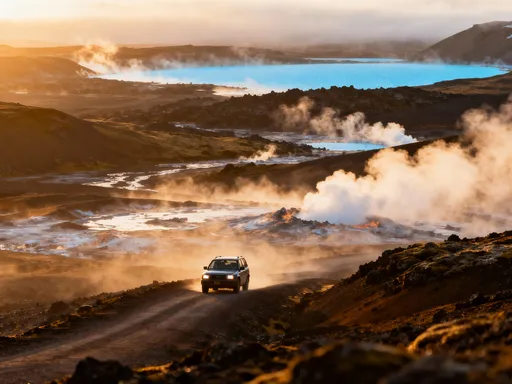
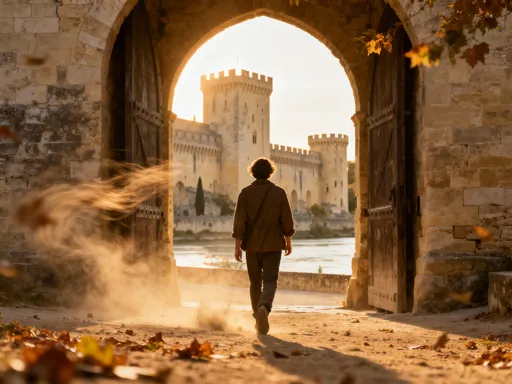
There is a quiet magic in turning the key, shifting into drive, and watching Reykjavík’s colorful rooftops fade in the rearview mirror. Self-driving through Iceland offers a level of freedom that guided tours simply cannot match. With a rental car, travelers are no longer bound by schedules, bus stops, or the pace of a group. Instead, they gain the power to pull over at a misty cove where puffins nest, linger at a roadside waterfall with no one else in sight, or follow a gravel path that leads to a silent lava field glowing under the midday sun. The ability to pause, explore, and continue on one’s own terms transforms the journey into something deeply personal.
The infrastructure supports this kind of spontaneous travel. Iceland’s Ring Road, officially known as Route 1, circles the island and connects most major destinations with well-maintained pavement. While conditions can change quickly due to weather, especially in winter, the southern stretch from Reykjavík to the Blue Lagoon is reliably accessible year-round. Route 43, the direct link to the spa, is a short, straightforward drive, but it’s what lies just off the main roads that makes self-driving so rewarding. Small detours reveal dramatic contrasts—black sand beaches against white-capped waves, steaming fumaroles rising from cracks in the earth, and wide-open skies that seem close enough to touch.
For travelers coming from the capital, the drive to the Blue Lagoon takes about 45 minutes under normal conditions. This short duration makes it ideal for those seeking a flexible day trip without the pressure of rigid departure times. It also allows for early arrivals to beat the crowds or late visits to soak under the twilight glow. Unlike group shuttles that follow fixed timetables, a private vehicle enables visitors to align their schedule with personal preferences—whether that means stopping for coffee in a local bakery or waiting for the perfect light to photograph a coastal cliff.
Equally important is the psychological shift that comes with driving in Iceland. The act of navigating the road fosters a deeper connection to the landscape. Each turn becomes a choice, each horizon a possibility. Instead of passively observing scenery through a bus window, drivers engage with the terrain—feeling the slight bump as tires cross ancient lava flows, noticing how the color of the soil shifts from gray to rust, or spotting a distant steam plume that signals geothermal activity. This immersive experience builds a sense of ownership over the journey, making the final destination feel earned rather than delivered.
Blue Lagoon Unfiltered: More Than Just a Pretty Pool
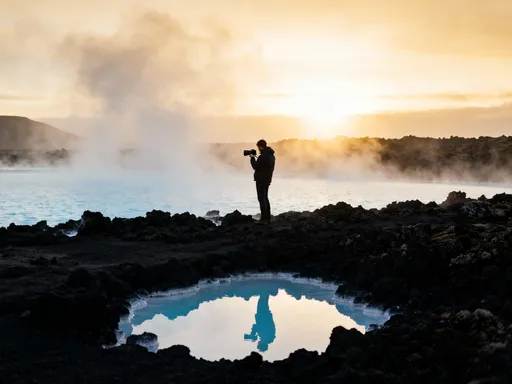
The first glimpse of the Blue Lagoon is unforgettable. Nestled within a vast expanse of jagged black lava, the milky-blue waters shimmer like liquid silk, surrounded by clouds of rising steam. This is not a man-made attraction built for tourists; it is a natural phenomenon born from Iceland’s volcanic heart. The water originates from deep beneath the surface, heated by geothermal energy and filtered through layers of porous lava rock. As it rises, it becomes rich in silica, minerals, and algae—elements known for their soothing and restorative effects on the skin. What results is not just a place to swim, but a living ecosystem that invites relaxation and rejuvenation.
Visitors often associate the Blue Lagoon with luxury and pampering, and rightly so. The facility offers a range of amenities, including in-water massages, silica mud masks, and thermal loungers. However, its true value lies in its authenticity. The water is continuously replenished, with the entire volume refreshed every 48 hours, ensuring cleanliness and a constant flow of fresh geothermal energy. The temperature remains comfortably warm—typically between 37°C and 39°C (98°F to 102°F)—making it ideal for long soaks even in cold weather. For many, the experience is both physically soothing and mentally grounding, a rare moment of stillness in an otherwise fast-paced world.
To make the most of the visit, planning is essential. The Blue Lagoon is one of Iceland’s most popular attractions, and walk-ins are not permitted. Reservations must be made in advance through the official website, where guests can select time slots, ticket tiers, and add-ons like spa treatments or dining. Arriving at least 30 minutes before the scheduled entry allows time for check-in, locker use, and a shower—required for hygiene before entering the water. The layout is spacious, with multiple lagoons, walkways, and relaxation zones, so even during busy periods, it is possible to find quieter corners away from the main flow of visitors.
While the popularity of the Blue Lagoon is undeniable, it is important to approach the experience with realistic expectations. It is not a secluded natural hot spring but a developed wellness destination. Yet, its integration with the surrounding lava field—where steam curls around rock formations and moss grows in protected crevices—maintains a strong connection to the wild landscape. For those who appreciate both comfort and nature, the Blue Lagoon offers a rare balance: a place where modern hospitality meets ancient geothermal power.
From Volcanic Soil to Table: The Heart of Icelandic Cuisine
Icelandic cuisine tells the story of a nation shaped by isolation, climate, and resilience. With long winters, limited arable land, and a reliance on the sea, traditional food practices evolved around preservation, sustainability, and resourcefulness. Today, this heritage lives on in dishes that honor the past while embracing modern refinement. The result is a culinary identity that is both rugged and refined, simple in appearance but rich in meaning. At its core, Icelandic food is about making the most of what the land and sea provide—whether that’s free-range lamb grazing on wild herbs, line-caught Arctic char, or dairy products made from grass-fed cows.
One of the most distinctive aspects of Icelandic cooking is its connection to geothermal energy. For centuries, Icelanders have used the earth’s heat to prepare food in ways that are both practical and symbolic. A prime example is hverabrauð, or rye bread, which is slow-cooked for 24 hours in wooden boxes buried near hot springs. The natural steam bakes the bread into a dense, sweet loaf with a unique molasses-like flavor. This method not only preserves tradition but also reflects a deep respect for the environment—using renewable energy long before it became a global concern.
Another cornerstone of the diet is lamb, which is raised outdoors and allowed to roam freely across highland pastures. The meat is known for its tenderness and delicate taste, influenced by the herbs and mosses the sheep consume. It appears in many forms—roasted, smoked, or stewed—but is often served simply, with minimal seasoning to let the natural flavor shine. Similarly, seafood plays a vital role, with cod, haddock, and langoustines harvested from cold, clean waters. These ingredients are frequently prepared with care—poached, grilled, or fermented—to highlight freshness and texture.
Dairy also holds a special place in Icelandic food culture. Skyr, a thick, protein-rich cultured dairy product, has been a staple for over a thousand years. Today, it is enjoyed plain, with wild berries, or as a base for smoothies and desserts. Its creamy consistency and mild tang make it a favorite among locals and visitors alike. While some traditional foods—like hákarl (fermented shark)—are more challenging for first-time tasters, the modern Icelandic table focuses on approachable, wholesome dishes that celebrate quality ingredients and seasonal availability. The cuisine, once born of necessity, has evolved into a quiet expression of national pride and environmental harmony.
Roadside Bites & Local Eats: Where to Find Real Flavor Near the Blue Lagoon
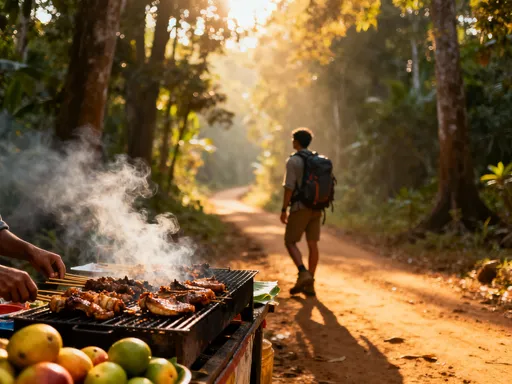
The journey to the Blue Lagoon doesn’t have to begin and end with a meal at the spa’s upscale restaurant. Along the way, especially in nearby towns like Grindavík, travelers can discover authentic local flavors in unassuming settings. These are not tourist traps with inflated prices and generic menus, but small eateries where locals gather for hearty, home-style food. From family-run cafes to harbor-side fish shacks, these spots offer a chance to taste Iceland as it is eaten every day—simple, satisfying, and deeply rooted in tradition.
One must-try dish is plokkfiskur, a comforting fish stew made with mashed cod or haddock, potatoes, onions, and a touch of butter and cream. It’s often served with rye bread or flatbread and is the kind of meal that warms you from the inside out—perfect after a chilly walk along the coast. Another local favorite is harðfiskur, or wind-dried fish, which is typically eaten as a snack with butter. High in protein and low in fat, it’s a traditional way of preserving fish that remains popular today. While the texture may be firm and the flavor intense, it offers a direct link to Iceland’s fishing heritage.
For those with a sweet tooth, the geothermal rye bread—hverabrauð—is a unique treat. Available at roadside stalls and bakeries near the Blue Lagoon, it is often sold wrapped in foil, still slightly warm. Its dense, moist crumb and subtle sweetness pair perfectly with butter or smoked trout. Some vendors even offer samples, allowing visitors to taste before buying. Another local specialty is kleinur, a twisted doughnut-like pastry that is deep-fried and lightly sweetened. Crispy on the outside and soft within, it makes for an excellent road-trip snack with coffee.
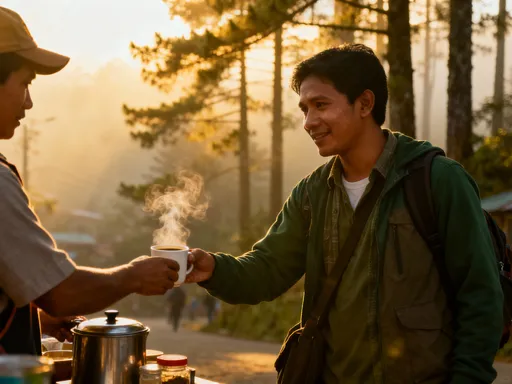
Prices in these local establishments are generally reasonable, especially when compared to tourist-centered restaurants in Reykjavík. Portions tend to be generous, and many places offer lunch specials that include soup, bread, and a drink. While English menus are common, staff are often happy to explain dishes or make recommendations. The experience is not just about eating—it’s about connection. A brief conversation with a cashier, a shared smile over a steaming bowl of soup, or a nod of approval from a local customer can turn a simple meal into a meaningful moment. In these small interactions, the spirit of Icelandic hospitality comes alive.
Unexpected Detours: Hidden Gems Between Reykjavík and the Lagoon
While the direct route to the Blue Lagoon is efficient, some of the most memorable experiences come from stepping off the main road. Just a few minutes’ drive from Route 43 lie natural wonders that reveal the raw power of Iceland’s geology. Gunnuhver, a roaring hot spring named after a legendary ghost, is one such stop. Here, steam erupts from the ground with a constant hiss, creating a dramatic landscape of bubbling mud pots and sulfurous fumes. Wooden walkways allow safe access, offering close-up views and excellent photo opportunities. The site is free to visit and rarely crowded, making it an ideal spot to stretch your legs and breathe in the earthy scent of sulfur.
Nearby, the Reykjanesviti lighthouse stands at the tip of the Reykjanes Peninsula, where the North American and Eurasian tectonic plates meet. Its red-and-white stripes contrast sharply with the dark lava fields and crashing Atlantic waves. A short walk from the parking area leads to the edge of the cliff, where seabirds soar on coastal winds and the sound of the ocean fills the air. On clear days, the view stretches for miles, offering a sense of isolation and vastness that is uniquely Icelandic. The lighthouse itself, first lit in 1878, is still operational and symbolizes the country’s long relationship with the sea.
Another symbolic landmark is the Bridge Between Continents, a footbridge that spans a fissure marking the boundary between the two tectonic plates. Though the actual separation is constantly shifting due to continental drift, the bridge serves as a powerful metaphor for connection and movement. It is a popular spot for photos, with many visitors stepping from one side to the other as a symbolic gesture. Informational signs explain the science behind plate tectonics in simple terms, making it an engaging stop for travelers of all ages. The surrounding area is also ideal for a short hike, with trails winding through lava formations and moss-covered fields.
These detours do not require extra hours or complicated navigation. Each can be visited in 15 to 30 minutes, making them perfect for a well-paced road trip. They also offer a counterbalance to the controlled environment of the Blue Lagoon—reminders that Iceland’s beauty lies not only in curated experiences but in wild, untamed places. By taking the time to explore these sites, travelers gain a fuller understanding of the forces that shape the island: fire, ice, water, and time.
Timing, Weather, and Smart Planning: Making the Most of Your Trip
Success on the road to the Blue Lagoon depends not just on where you go, but when and how you go. Weather in Iceland can change rapidly, even in summer. Sudden fog, rain, or strong winds are not uncommon, especially along the coast. While the roads to the lagoon are well-maintained, reduced visibility and wet surfaces require cautious driving. Checking road.is, the official Icelandic road conditions website, before departure is a simple but essential step. It provides real-time updates on road closures, weather alerts, and surface conditions, helping travelers make informed decisions.
Daylight hours vary significantly throughout the year. In winter, the sun may rise around 11 a.m. and set by 3 p.m., limiting available light for sightseeing. In contrast, summer offers nearly 24 hours of daylight, allowing for flexible travel times. For those seeking a peaceful experience at the Blue Lagoon, early morning or late evening visits are ideal. These off-peak hours not only reduce crowding but also enhance the atmosphere—morning light reflects softly on the water, while evening soaks offer a chance to relax under a twilight sky.
Fuel stations are available in Grindavík and along the main highways, but it’s wise to keep the tank at least half full, especially when making detours. Most rental cars in Iceland are equipped with GPS and winter tires during colder months, but drivers should still be prepared for variable conditions. Parking at the Blue Lagoon is included with admission, and clearly marked lots are located near the entrance. Arriving early ensures a stress-free start and allows time to explore the outdoor areas before entering the lagoon.
Smart planning also includes managing expectations. The Blue Lagoon is popular for good reason, but it is not a secluded wilderness retreat. It is a developed destination with modern facilities, and while it offers tranquility, it also attracts visitors from around the world. Approaching it with a mindset of appreciation rather than perfection allows for a more enjoyable experience. Packing a swimsuit, towel, and waterproof phone case ensures readiness, while leaving room for spontaneity—like stopping for a slice of rye bread or pausing to watch steam rise from a crack in the earth—keeps the journey alive with discovery.
Beyond the Soak: How Food and Journey Elevate the Experience
The true magic of the Blue Lagoon lies not just in the water, but in the journey that leads to it. When self-driving, every mile becomes part of the story—the quiet hum of the engine, the changing light on the lava fields, the taste of smoked lamb at a roadside cafe. These moments, often overlooked in favor of the destination, are what give travel its depth and meaning. By combining the physical act of driving with the sensory pleasures of local food, visitors create a layered experience that goes beyond relaxation. They engage with the landscape, connect with the culture, and participate in the rhythm of daily life.
This kind of travel encourages mindfulness. Instead of rushing from one attraction to the next, self-drivers have the space to slow down, observe, and reflect. A conversation with a local baker, the warmth of geothermal bread in your hands, the sight of steam rising from a natural spring—these are not just highlights, but threads that weave together into a richer narrative. They remind us that travel is not only about seeing new places, but about feeling them, tasting them, and carrying their essence with us long after we return home.
The integration of food into the journey amplifies this effect. Eating local dishes is not merely a way to satisfy hunger; it is an act of cultural immersion. Each bite tells a story—of volcanic soil, of centuries-old traditions, of a people who have learned to thrive in a challenging environment. When travelers choose to seek out authentic meals, they support small businesses, preserve culinary heritage, and deepen their understanding of the places they visit. The simple decision to try plokkfiskur at a family-run diner or to buy hverabrauð from a roadside vendor becomes a small but meaningful gesture of connection.
In the end, the drive to the Blue Lagoon is more than a commute. It is an invitation to explore, to savor, and to be present. It reminds us that the best travel experiences are not always the most photographed or the most luxurious, but the ones that engage all the senses and leave a lasting impression. So take the wheel, follow the road, and let hunger and curiosity be your guides. Because sometimes, the most unforgettable journeys begin not with a plan, but with a single turn off the main highway.