You Won’t Believe What Barbados Hides in Plain Sight
Bridgetown isn’t just sun and sand—it’s a sensory journey through culture, flavor, and craftsmanship. I went looking for beaches but found something deeper: real stories in every rum blend, every handmade craft, every local bite. From centuries-old distilleries to street markets alive with color, Bridgetown’s specialty products reveal the soul of Barbados. This isn’t shopping—it’s connecting. What first appears as a tropical escape transforms into a layered experience of heritage, resilience, and pride. The island’s true treasures aren’t always on postcards. They’re held in the hands of artisans, poured into glasses of amber liquid, and shared in recipes passed from grandmother to grandchild. This is the quiet heartbeat of Barbados—alive, authentic, and waiting to be discovered.
First Impressions: Beyond the Postcard View of Bridgetown
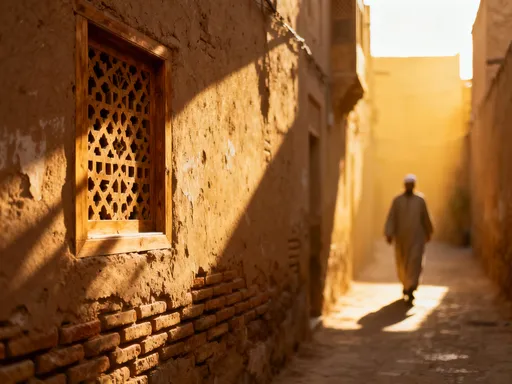
For many travelers, Barbados begins with an image: turquoise waters, white sand, and swaying palms. But Bridgetown, the island’s capital, quickly defies that postcard simplicity. Stepping off the plane and into the warm, spice-scented air, visitors are met with a city that pulses with history and rhythm. The UNESCO World Heritage-listed center reveals Georgian architecture softened by time, bustling markets echoing with Creole, and a harbor that has welcomed ships for over 300 years. This is not a resort town built for tourism—it is a living, working capital with deep roots and a distinct identity.
The real charm of Bridgetown unfolds not in curated attractions but in its everyday moments. A woman weaves a basket on a shaded stoop. A vendor stirs a pot of flying fish stew at a roadside eatery. The clang of a blacksmith’s hammer rings from a workshop near the Careenage. These scenes are not staged for tourists; they are part of the city’s daily fabric. It is here, in the quiet dignity of routine, that the island’s specialty products take shape. They are born not from commercial demand but from necessity, tradition, and creativity.
What makes Bridgetown special is how naturally its cultural expressions flow into tangible goods. The same sugarcane that once fueled the economy now flavors world-renowned rum. The vibrant fabrics worn by locals inspire hand-printed textiles sold in open-air markets. Even the island’s music—soca, calypso, spouge—finds its way into artisan carvings and painted drums. These products are not souvenirs in the ordinary sense. They are extensions of a way of life. Travelers who look beyond the surface discover that Bridgetown’s greatest offerings are not sold in glossy boutiques but in open-air stalls, family-run shops, and the hands of those who make them with pride.
Rum: More Than a Drink—A Legacy in Every Bottle
No product captures the spirit of Barbados quite like rum. Often called the birthplace of rum, the island has been perfecting the craft since the 17th century. Historical records confirm that the first distilled sugarcane spirit was produced here around 1640, making Bajan rum not just a beverage but a living artifact of colonial agriculture, innovation, and cultural adaptation. Today, rum remains a cornerstone of national identity, celebrated in festivals, family gatherings, and daily rituals. To taste authentic Barbadian rum is to sip centuries of history.
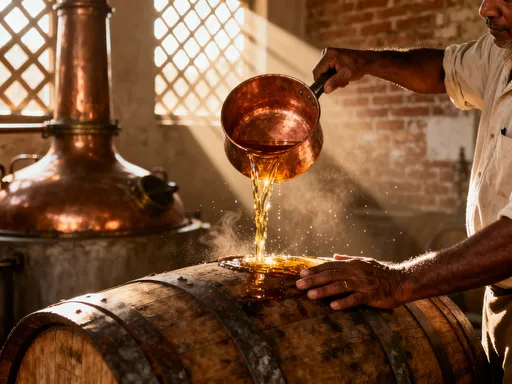
One of the most renowned producers is Mount Gay, the oldest commercial rum distillery in the world, established in 1703. Located just outside Bridgetown in the parish of St. Lucy, the distillery offers guided tours that trace the entire process—from molasses sourced from local sugarcane to aging in oak barrels under the Caribbean sun. Visitors walk through the fermentation rooms, where the sweet, yeasty aroma fills the air, and into the warehouse, where rows of barrels rest in quiet darkness. The aging process, often lasting between two and twelve years, gives each blend its distinctive character. Master blenders, some with decades of experience, carefully select and combine rums to maintain consistency and depth.
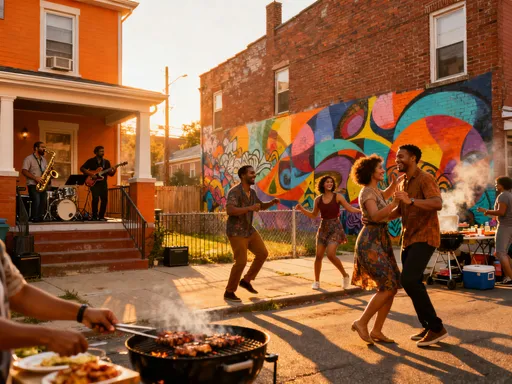
Tasting a flight of Mount Gay rums reveals a spectrum of flavor: the crisp citrus and vanilla of the Eclipse, the smoky richness of the XO, and the spiced warmth of the Black Barrel. But rum in Barbados is not reserved for connoisseurs. Locals enjoy it in simple, everyday ways—mixed with coconut water, ginger beer, or a splash of lime. At Friday evening beach parties or Sunday family barbecues, rum flows freely, always with a story attached. It is common to hear tales of grandfathers who worked on sugar plantations or uncles who once distilled in secret stills.
What sets Bajan rum apart is its terroir—the combination of soil, climate, and tradition that shapes its flavor. Unlike mass-produced spirits, Barbadian rums are often distilled in pot stills or a combination of pot and column stills, preserving more of the original character of the molasses. The tropical climate accelerates aging, allowing rums to develop complexity faster than in cooler regions. UNESCO has recognized the cultural significance of rum-making in Barbados, inscribing traditional rum production techniques on its Intangible Cultural Heritage list in 2018. This global acknowledgment underscores what locals have always known: rum is more than a drink. It is a legacy, a craft, and a point of national pride.
Craftsmanship Alive: Markets and Makers in the Heart of the City
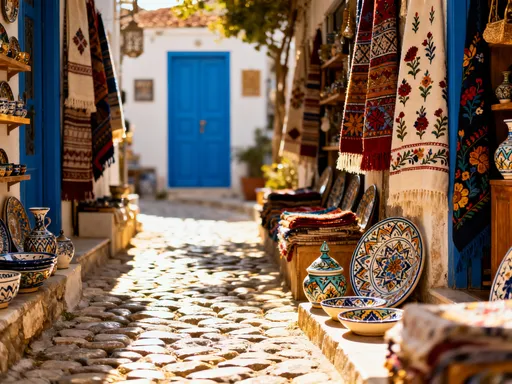
If rum is the soul of Barbados, then its crafts are the hands that shape its identity. Nowhere is this more visible than in Bridgetown’s Cheapside Market, a vibrant hub that has served the community since the 19th century. Open daily, the market buzzes with energy—vendors call out prices, shoppers haggle with smiles, and the scent of spices and fresh produce fills the air. Amid the fruits, vegetables, and fish, stalls display an array of handmade goods that reflect the island’s artistic heritage.
Basket weaving, one of the oldest crafts in Barbados, thrives here. Artisans use bamboo, palm fronds, and vetiver grass to create everything from small trinket baskets to large storage containers. Each piece is woven by hand, often using patterns passed down through generations. The technique is both functional and symbolic—these baskets were once essential for carrying crops, fish, and goods to market. Today, they are cherished as decorative items and eco-friendly alternatives to plastic. Visitors can watch weavers at work, their fingers moving with practiced ease, and even purchase a piece directly from the maker.
Wood carving is another enduring tradition. Local artists use mahogany, cedar, and other native hardwoods to craft sculptures, furniture, and musical instruments. Common motifs include turtles, dolphins, and African-inspired faces, each carved with attention to detail and spiritual significance. Some artisans incorporate recycled materials, such as driftwood or discarded boat parts, adding layers of meaning to their work. Jewelry makers, too, draw from the island’s natural resources, crafting pieces from coral, sea glass, and locally mined blue limestone. These items are not mass-produced; each carries the fingerprint of its creator.
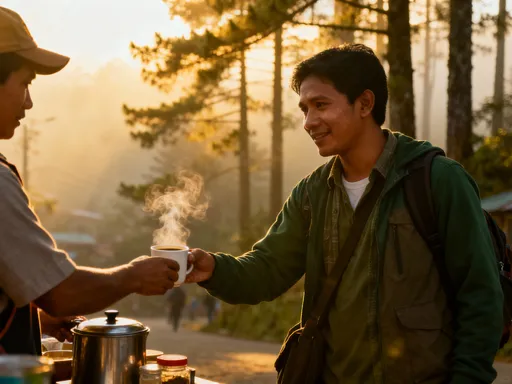
What makes these crafts meaningful is the story behind them. Conversations with artisans reveal deep pride in their work and concern for its future. Many express hope that younger generations will continue these traditions, even as modern life pulls people toward other careers. Some have joined cooperatives to preserve their crafts and ensure fair wages. By supporting these makers—whether by purchasing a basket or simply listening to their stories—travelers contribute to cultural preservation. In a world of factory-made souvenirs, these handmade items offer a rare connection to place, people, and history.
Flavors of the Island: Specialty Foods You Can’t Find Anywhere Else
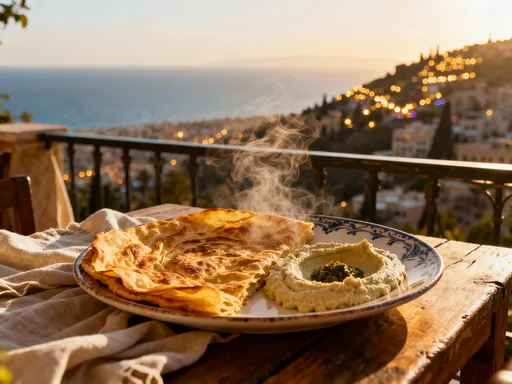
To taste Barbados is to understand it. The island’s cuisine is a tapestry of African, British, Indian, and Creole influences, woven together through centuries of migration, trade, and adaptation. While flying fish and cou-cou may be the national dish, it is the specialty foods—small, potent, and deeply personal—that reveal the island’s culinary soul. These are not items found in supermarkets abroad. They are made in small batches, often in home kitchens, using recipes guarded like family heirlooms.
One of the most iconic is Bajan pepper sauce. Made from scotch bonnet peppers, vinegar, garlic, and spices, this fiery condiment is a staple on nearly every dining table. Each family has its own version—some sweet, some smoky, some blisteringly hot. Vendors sell bottled sauces at markets and roadside stands, often with handwritten labels. Tourists are warned: a little goes a long way. Yet, once acclimated, the sauce’s bold flavor becomes irresistible, enhancing everything from fish cakes to breakfast eggs. Beyond the heat, it represents resilience—a small, potent expression of Bajan spirit.
Another beloved treat is the tamarind ball. Made from the pulp of the tamarind fruit, rolled into spheres, and coated in sugar or spice, these tangy-sweet snacks are especially popular among children. Tamarind trees grow throughout the island, their pods harvested and processed by hand. The process is simple but labor-intensive: the pulp is removed, mixed with sugar or chili, and shaped into balls. Some vendors add ginger or lime for extra zing. These treats are not just delicious; they connect people to the land and its natural bounty.
Sweet shops and home-based producers also craft coconut-based confections—coconut drops, coconut fudge, and coconut toffee. Made from freshly grated coconut, sugar, and sometimes nutmeg or vanilla, these sweets are rich, chewy, and deeply satisfying. They reflect the island’s long history with coconut cultivation, once a major export. Today, these treats are made in small quantities, often for holidays or special occasions. Buying them directly from a vendor at a market or roadside stand ensures authenticity and supports local entrepreneurs. Each bite is a taste of tradition, a reminder that some of the best things in life are made slowly, by hand, with care.
From Farm to Street: The Journey of Local Products
Behind every specialty product in Bridgetown is a network of farmers, processors, and artisans who keep traditions alive. The journey from raw material to finished good is often short, direct, and deeply local. Sugarcane, once the backbone of the island’s economy, still plays a vital role. Though large plantations have given way to smaller farms, the crop remains central to rum, molasses, and even artisanal candies. Farmers harvest cane by hand, pressing it into juice that is either boiled into syrup or sent to distilleries. This continuity links modern production to centuries of agricultural practice.
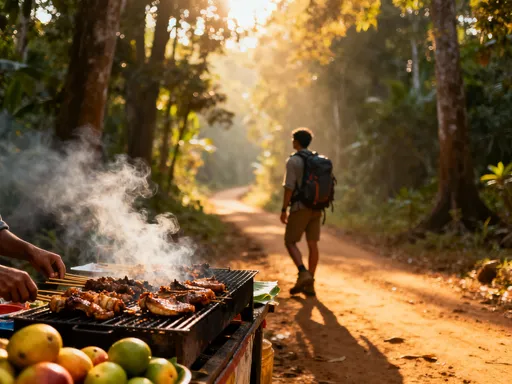
Tropical fruits like mango, papaya, and guava are grown in backyard gardens and small orchards, then sold to processors who make jams, chutneys, and juices. Spices such as nutmeg, cinnamon, and bay leaves are cultivated in the island’s interior, often by families who have farmed the same land for generations. These ingredients are rarely imported; they are grown, harvested, and used locally, preserving both flavor and freshness. This farm-to-market model supports sustainability and reduces reliance on global supply chains.
Many products are still made using small-scale methods. A woman in St. Michael may spend days grinding and mixing ingredients for her pepper sauce, bottling each one by hand. A cooperative in St. Thomas might collectively manage a plot of land to grow herbs for tea blends. Family-run businesses dominate the sector, passing down recipes and techniques through oral tradition. This decentralized system ensures authenticity but also presents challenges. Limited access to capital, equipment, and distribution networks can hinder growth. Some artisans struggle to meet demand during peak tourist seasons, while others face competition from imported, mass-produced imitations.
Yet, resilience defines this community. Many producers have adapted by using social media to reach customers, partnering with local hotels, or participating in craft fairs. Government and nonprofit initiatives support small businesses with training and microloans. The result is a vibrant, grassroots economy that values quality over quantity. When travelers buy a jar of pepper sauce or a hand-carved bowl, they are not just purchasing a souvenir—they are supporting a system rooted in dignity, sustainability, and cultural continuity.
Smart Shopping: How to Find Real vs. Tourist-Grade Goods
In a destination like Bridgetown, distinguishing authentic products from mass-produced souvenirs requires attention and intention. Tourist shops near hotels and cruise ports often sell items labeled “handmade” that are, in fact, imported from abroad. These goods may mimic Bajan designs but lack the soul of true craftsmanship. To find the real thing, travelers must go beyond the obvious. The key is to seek out places where locals shop and creators sell directly.
Cheapside Market remains one of the best spots for authentic goods. Because it serves the local community, vendors prioritize quality and tradition. Artisans are often present at their stalls, allowing for conversation and verification of origin. Similarly, the nearby Craft Market at Limegrove Lifestyle Centre features vetted local makers, offering a more curated but still genuine experience. Smaller roadside stands, especially those advertising “home-made” or “made in Barbados,” are also reliable sources. Look for signs of handwork—imperfections, natural materials, and unique designs—as markers of authenticity.
Pricing can vary, but most genuine items are fairly priced given the labor involved. A hand-woven basket may cost between $25 and $60, while a bottle of artisanal pepper sauce ranges from $5 to $10. Bargaining is not expected in formal markets but may be acceptable at informal stalls—always with respect and a smile. The goal is not to drive down prices but to engage in fair exchange. Supporting ethical vendors means choosing those who pay fair wages, use sustainable materials, and represent their culture with pride.
Travelers should also be mindful of what they bring home. While most specialty foods are allowed through customs, it is wise to check regulations, especially for items containing fresh ingredients. Many producers now package goods in travel-safe containers, making them ideal souvenirs. The most valuable takeaway, however, is not the item itself but the story behind it—the name of the maker, the method of creation, the taste of a shared moment. These are the souvenirs that last.
Why These Products Tell the True Story of Barbados
The specialty products of Bridgetown are more than merchandise. They are storytellers. Each rum blend whispers of sugarcane fields and colonial trade. Each basket carries the rhythm of a weaver’s hands. Each jar of pepper sauce holds a family’s culinary legacy. Together, they form a narrative of survival, creativity, and pride. In a world of homogenized tourism, these items offer a rare authenticity—a chance to connect with a culture on its own terms.
Buying local is not just an economic act; it is a gesture of respect. It acknowledges the skill, history, and labor behind every product. It sustains communities, preserves traditions, and empowers artisans to continue their work. When a traveler chooses a handmade carving over a factory-made trinket, they become part of a larger story—one of cultural continuity and mutual appreciation.
There is also an emotional dimension to these purchases. To hold a piece of Barbados is to remember the warmth of its people, the richness of its flavors, the depth of its history. These items become anchors for memory, transforming a vacation into a meaningful journey. They remind us that travel is not just about seeing new places but about understanding them—through taste, touch, and story.
Conclusion
Bridgetown’s specialty products aren’t just things to buy—they’re invitations to understand. Each item carries history, labor, and love. By seeking out the real, we don’t just collect souvenirs—we become part of a deeper journey. The true magic of Barbados isn’t just seen. It’s held, tasted, remembered. In the end, the most lasting souvenirs are not the ones we pack in our suitcases, but the ones that stay with us: the flavor of rum on a seaside evening, the pattern of a woven basket, the smile of a craftswoman sharing her story. These are the quiet treasures of Barbados—hidden in plain sight, waiting to be discovered.