Tastes of the Terraces: Where Haifa’s Flavors Meet the Sky
Nestled along Israel’s northern coast, Haifa unfolds like a living canvas—layered hills, vibrant neighborhoods, and a coastline kissed by the Mediterranean. But what truly defines this city isn’t just its breathtaking cityscape—it’s the aroma of freshly baked malawach drifting through bustling markets, the sizzle of falafel in time-worn stands, and meals shared on terraces overlooking endless blue. This is where food tells the story of a city in motion. More than a destination, Haifa is an experience woven from elevation, tradition, and taste. Here, every meal is shaped by geography and culture, served with warmth and a view. For travelers seeking authenticity, the city offers not just flavors, but a deeper understanding of how people live, gather, and celebrate through food.
A City Built on Layers—and Flavors
Haifa is not a city of flat horizons but of rising gradients, where streets spiral up Mount Carmel and homes cling to terraced slopes like vines on a hillside. This vertical structure does more than define the skyline—it shapes the rhythm of daily life, especially when it comes to food. Each elevation hosts a different community, each with its own culinary signature. At the base, near the port, the air carries the briny scent of fish and the smoky tang of grills. Midway, the neighborhoods of Hadar and Wadi Nisnas pulse with the energy of Arab and Jewish families whose kitchens blend generations of recipes. At the summit, quiet residential zones offer refined dining with sweeping vistas, where breakfast is served with the sun rising over the sea.
The city’s layered identity is not accidental. Haifa has long been a meeting point—of cultures, faiths, and histories. The port brought merchants, laborers, and immigrants from across the Mediterranean and beyond, each adding a note to the city’s culinary harmony. Today, this diversity is most vividly expressed in its food. A walk from the lower city to the upper neighborhoods is like moving through a living cookbook: from savory meat pies in spiced dough to delicate pastries perfumed with orange blossom water. The topography ensures that no two meals feel the same—both in flavor and in setting.
What makes Haifa’s food culture particularly special is its accessibility. Unlike cities where fine dining is reserved for special occasions, here, excellence is found in the everyday. A plastic stool at a sidewalk stall might offer the best hummus in the country. A modest bakery tucked into a residential alley could serve the flakiest bourekas, filled with cheese and parsley. This democratization of flavor reflects a deeper truth about the city: that good food is not a luxury, but a shared right. It’s this ethos that makes Haifa’s culinary landscape not just delicious, but deeply human.
The Heartbeat of Haifa’s Street Food: From Hummus to Fresh Seafood
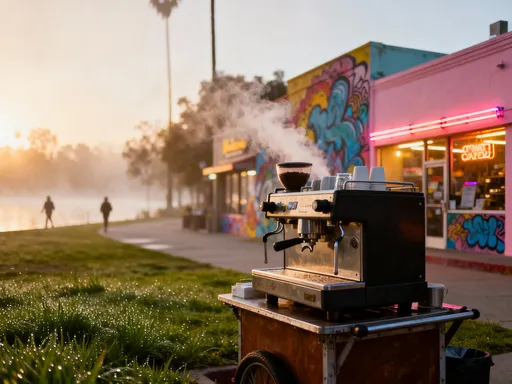
If Haifa has a pulse, it beats strongest in its street food. This is where the city’s soul is most visible—where locals queue before sunrise for warm pita and golden falafel, where fishermen unload their catch directly onto sizzling grills, and where the scent of cumin and garlic lingers long after the meal ends. Street food here is not a trend or a tourist gimmick; it is tradition, passed down through families and perfected over decades. It is also deeply regional. While hummus can be found across Israel, Haifa’s version stands apart—creamy, warm, and generously topped with whole chickpeas, caramelized onions, and a river of tahini.
One of the most revered spots for hummus is a modest establishment near the port, where generations of workers have started their mornings with a bowl of the velvety spread, accompanied by freshly baked pita and a side of pickled turnips. The secret, according to the owner, lies in the slow-cooking of chickpeas and the use of high-quality tahini imported from nearby villages. Unlike versions served cold in other cities, Haifa’s hummus is always warm—a small but significant difference that speaks to the city’s preference for comfort and generosity in every bite.
Equally iconic is the city’s seafood culture. At the foot of Mount Carmel, the fishing harbor comes alive at dawn, when boats return with the night’s catch. Local favorites include lancetfish and mullet, often grilled simply with olive oil, lemon, and herbs. Some vendors serve tavshi, a lesser-known but beloved fish stew simmered with turmeric, garlic, and saffron, its golden broth a reflection of the city’s coastal heritage. These meals are often eaten standing up, paper plates in hand, with the sea breeze as the only tablecloth. It’s an unpretentious experience, yet one that captures the essence of Haifa—fresh, direct, and deeply satisfying.
For visitors, navigating this world requires a willingness to follow the locals. Look for long lines, handwritten signs, and the absence of menus in English—these are often signs of authenticity. Don’t expect cutlery or air conditioning; instead, embrace the simplicity. Order what others are eating, point if needed, and savor the spontaneity. In Haifa, the best meals are not found in glossy brochures, but in the rhythm of daily life.
The German Colony: Where Old-World Charm Meets Modern Bites
Perched on a gentle slope of Mount Carmel, the German Colony is a neighborhood of quiet elegance and architectural grace. Built in the late 19th century by German Templar settlers, its red-roofed houses and tree-lined avenues now host a new kind of pilgrimage—one driven by coffee, pastries, and slow mornings. The Templars are long gone, but their legacy remains in the cobblestone streets and sturdy stone buildings, now repurposed into cozy cafés, art galleries, and boutique restaurants. This is a place where history and modernity coexist, not in conflict, but in harmony.
One of the neighborhood’s most beloved cafés, tucked into a converted Templar home, serves a version of shakshuka that has become something of a local legend. Slow-cooked tomatoes, bell peppers, and onions form a rich base, into which eggs are poached until the yolks are just set. The dish is finished with crumbled feta, fresh parsley, and a drizzle of chili oil. Served with warm, crusty bread, it’s a meal that feels both hearty and refined. What makes it special, beyond the ingredients, is the setting—a sunlit terrace overlooking the rooftops of Haifa, where the morning light dances across terracotta tiles and the distant hum of the city feels pleasantly muffled.
Beyond savory dishes, the German Colony is also known for its bakeries. One family-run shop specializes in coffee cakes infused with cardamom and cinnamon, their golden layers flaking apart at the touch. Another offers almond tarts and rosewater macarons, delicate confections that reflect the city’s broader cultural tapestry. These treats are not just desserts—they are gestures of hospitality, often shared over long conversations or afternoon tea. The pace here is slower, more deliberate, inviting visitors to pause and savor.
What sets the German Colony apart is its walkability and serenity. Unlike the bustling markets or the port area, this neighborhood offers a more contemplative experience. Strolling its quiet streets, one can imagine life in another era, yet be fully immersed in the present. It’s a place where grandparents take grandchildren for weekend pastries, where artists sketch in notebooks, and where travelers find a moment of calm. In a city defined by movement and layers, the German Colony provides a necessary counterpoint—a space of stillness, beauty, and thoughtful nourishment.
Climbing the Carmel: Food with a View
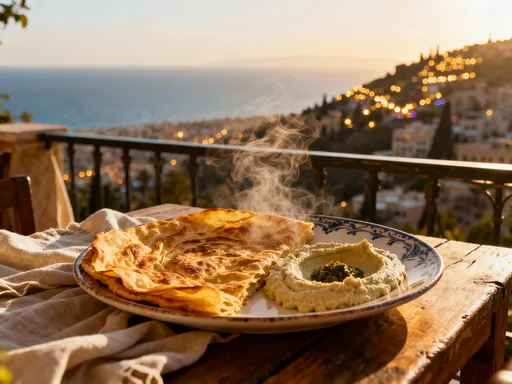
One of Haifa’s greatest gifts is its elevation. As the city ascends Mount Carmel, it offers an ever-changing panorama—one that becomes part of the dining experience. In Haifa, meals are not just about taste, but about perspective. Whether it’s a morning coffee on a balcony overlooking the bay, a midday salad at a cliffside café, or a sunset dessert at a rooftop kiosk, the view is never an afterthought. It is an ingredient.
One of the most accessible ways to reach these elevated dining spots is via the Carmelit, Israel’s only subway system, or the more scenic cable car that glides from the lower city to the upper neighborhoods. The ride itself is a preview of what’s to come: the port shrinking below, the Mediterranean stretching to the horizon, and the city unfolding in a patchwork of rooftops and greenery. At the top, several open-air terraces welcome visitors with cold drinks and light fare. A popular stop is a casual eatery near the university, known for its fresh salads, grilled halloumi, and, most famously, its knafeh.
Knafeh, a sweet cheese pastry soaked in sugar syrup and topped with crushed pistachios, is a staple of Middle Eastern cuisine, but Haifa’s version has a distinct character. Here, it is often served warm, with a contrast of crisp edges and molten center, best enjoyed with a cup of strong mint tea. Eating it on a terrace as the sun dips below the sea is a ritual in itself—one that combines indulgence with awe. The combination of flavor and scenery creates a moment that lingers long after the last bite.
For those seeking a more active experience, hiking trails crisscross the upper slopes of Mount Carmel, leading to hidden picnic spots and small tea stands run by local families. These informal stops offer simple pleasures: boiled eggs, fresh labneh, and herbal infusions made from wild thyme. There is no menu, no signage—just warmth and welcome. These moments, unplanned and unscripted, are where Haifa reveals its true character: generous, unguarded, and deeply connected to the land.
The Baha’i Gardens District: Serenity and Subtle Sweets
No visit to Haifa is complete without a walk through the Baha’i Gardens, a UNESCO-recognized site of breathtaking symmetry and tranquility. Cascading down the slope of Mount Carmel in 19 terraced levels, the gardens are a masterpiece of design and devotion. But beyond their visual splendor, the surrounding area offers a quieter culinary experience—one defined by subtlety, simplicity, and mindfulness.
Near the gardens’ entrance, a few unassuming shops specialize in modest yet exquisite sweets. These are not the bold, syrup-drenched pastries of the market, but delicate confections that reflect the serene atmosphere of the place. One bakery, run by a local family for over three decades, makes cookies filled with date paste and spiced with cinnamon, their edges lightly toasted for crunch. Another offers rosewater-infused ma’amoul—shortbread-like pastries filled with nuts or dates, traditionally made during holidays but available year-round in Haifa.
These treats are best enjoyed slowly, with a cup of sage tea, in a quiet corner of a nearby café. The pace here is meditative, a contrast to the energy of the port or the market. Visitors often come after touring the gardens, seeking a moment of reflection. The food, though simple, enhances that stillness. There is no rush, no noise—just the gentle clink of teacups and the occasional murmur of conversation in several languages.
What makes this area special is its atmosphere of inclusivity and peace. The Baha’i faith, which maintains the gardens, emphasizes unity and harmony, values that subtly permeate the neighborhood. Locals and tourists alike move with respect, speaking in hushed tones, pausing to take in the view. In a world often defined by haste, this corner of Haifa offers a rare gift: the chance to slow down, to savor, and to simply be.
Local Markets: Where Culture Simmers in Every Dish
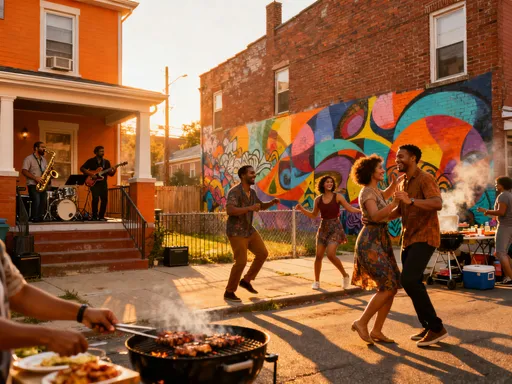
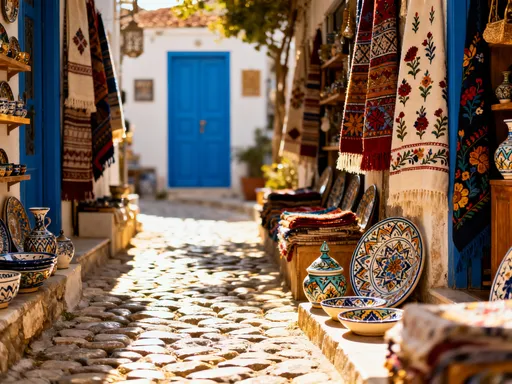
Markets are the heartbeats of cities, and in Haifa, that heartbeat is strongest in Wadi Nisnas. This historic Arab neighborhood transforms into a culinary stage every day, but especially during the annual Holiday of Holidays festival, when Christmas, Hanukkah, and Eid overlap in a celebration of coexistence. Stalls overflow with spices, olives, fresh bread, and rainbow-colored salads. The air is thick with the scent of za’atar, sumac, and grilled meat. Musicians play in the alleys, children weave through the crowd with cotton candy, and neighbors greet each other by name.
Wadi Nisnas is not just a place to eat—it’s a place to belong. The market’s energy comes from its authenticity. Vendors are not performing for tourists; they are serving their community. A woman behind a juice stand blends pomegranate, carrot, and ginger with practiced hands, offering a sample with a smile. A baker pulls steaming loaves from a wood-fired oven, their crusts crackling as they cool. These are not transactions, but exchanges of trust and tradition.
For visitors, the best way to experience the market is to arrive hungry and open-minded. Try the sabich, a pita stuffed with fried eggplant, hard-boiled egg, and tahini—a dish that originated in Iraqi Jewish kitchens but has become a national favorite. Sample musakhan, a Palestinian dish of roasted chicken over flatbread, drizzled with olive oil and sprinkled with sumac and onions. Sip on jallab, a sweet drink made from dates, grape molasses, and rose water, served over ice with pine nuts on top.
Navigating the market like a local means embracing spontaneity. There are no fixed prices on display, no English menus—just gestures, smiles, and a willingness to engage. Point to what looks good, ask for recommendations, and don’t be afraid to eat with your hands. In Wadi Nisnas, food is not just sustenance; it is a bridge between people, a language of its own. It is here, amid the noise and the color, that Haifa’s spirit shines brightest.
Why Haifa’s Food Tells a Deeper Story
Haifa’s cuisine is more than a collection of dishes—it is a narrative of coexistence, resilience, and adaptation. In a region often marked by division, this city stands as a quiet testament to what is possible when cultures share not just space, but tables. Jewish, Arab, Druze, and international influences blend in Haifa’s kitchens with a naturalness that feels effortless. A Druze woman might sell lentil soup to a Jewish family, while a Christian Arab bakery supplies challah for Shabbat. These moments are not exceptional; they are ordinary. And it is in the ordinary that true harmony is built.
The city’s food reflects its history of immigration and reinvention. Refugees, laborers, and dreamers have all brought their recipes, adapting them to local ingredients and tastes. The result is a cuisine that is both rooted and evolving—a living tradition. A falafel stand might use cilantro and parsley in equal measure, reflecting both Arab and Jewish preferences. A dessert might combine Persian saffron with Mediterranean citrus, creating something entirely new.
But beyond history and flavor, Haifa’s food culture speaks to a deeper truth: that meals are moments of connection. Whether eaten on a rooftop with a view, at a crowded market stall, or on a quiet bench in a garden, food in Haifa is shared. It is offered freely, received gratefully, and remembered warmly. It is not about extravagance, but about presence.
For the traveler, Haifa offers more than a vacation—it offers an invitation. Come for the views, stay for the flavors, and leave with a fuller understanding of what makes a city truly alive. In Haifa, every meal is a story, every bite a memory, and every terrace a window into a way of life that values beauty, balance, and belonging. This is not just a place to visit. It is a place to remember, to return to, and to carry within.