This Is What Slow Travel Feels Like in Baguio
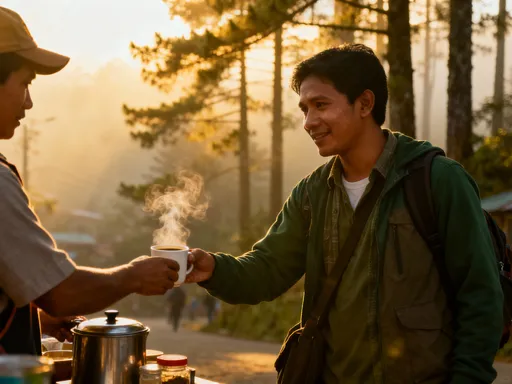
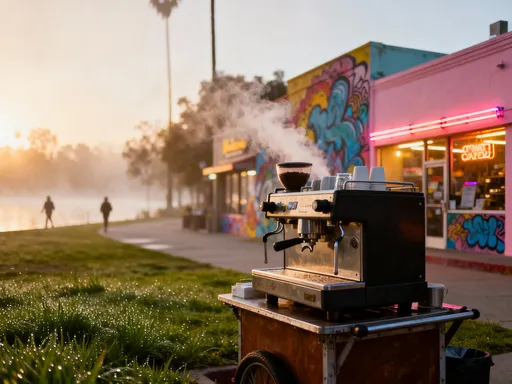
You know that feeling when a place just slows you down? Baguio, nestled in the Philippine highlands, did exactly that to me. No rush, no checklist—just mornings sipping coffee at local stalls, afternoons wandering through pine-scented paths, and evenings chatting with artists at sidewalk galleries. It’s not about ticking off landmarks; it’s about soaking in culture, one quiet moment at a time. This is slow travel at its most authentic—and honestly, it changed how I see the Philippines forever.
The Rhythm of the Highlands
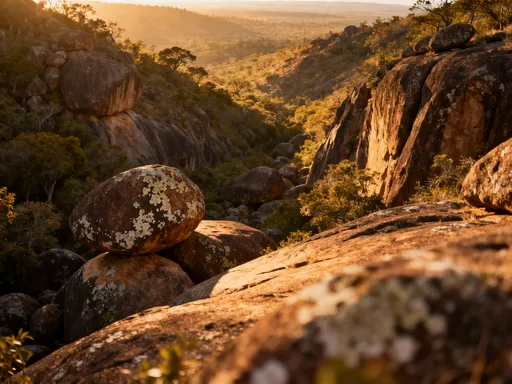
Baguio’s elevation—over 1,500 meters above sea level—does more than just cool the air; it shifts the pace of life. While much of the Philippines pulses with tropical heat and fast-moving energy, Baguio breathes differently. Here, mornings arrive wrapped in mist, sunlight filtering gently through pine trees that line winding roads. The absence of oppressive humidity invites stillness. Locals wear light jackets even in April, and the rhythm of daily life follows a quieter cadence. Church bells chime from Saint Lucy’s Cathedral in the early hours, their echoes soft against the mountain air. A vendor walks down Session Road with a tray of warm empanadas, the scent of fried dough mingling with the crisp breeze. There’s no urgency here, only presence.
This natural slowing is not accidental—it’s embedded in the city’s geography and climate. The cool temperatures encourage lingering: over conversations, meals, or simply sitting on a park bench watching clouds drift past distant peaks. Unlike beach destinations where time is measured in sunrises and sunsets, Baguio’s days unfold in subtle shifts—light changing in the late afternoon, fog rolling in after rain, the gradual dimming of streetlights as dusk settles. Visitors often notice how their breathing deepens, their thoughts clear. The body responds before the mind realizes it: this is a place to rest, not race.
Even transportation feels gentler. Jeepneys move at a steady pace, their drivers greeting familiar faces along the route. Pedestrians take their time crossing streets, unhurried by honking horns or tight schedules. The city’s layout, with its sloping terrain and tree-lined avenues, discourages haste. Walking becomes not just a mode of transport but a meditative act. In a world that glorifies productivity, Baguio offers something radical: permission to do less, to simply be. It’s a reminder that not every destination must be conquered—some are meant to be felt.
Markets That Tell Stories
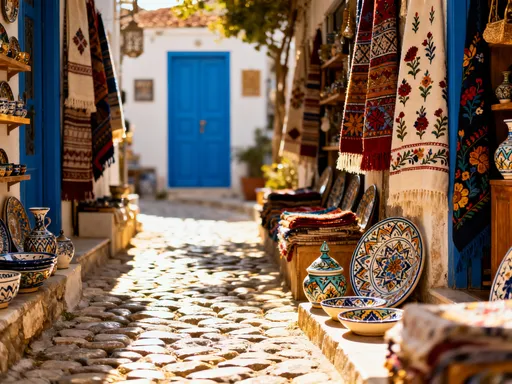
On weekends, the heart of Baguio beats strongest at the public market near the city center. Here, under colorful tarps and makeshift tents, generations of artisans gather to share more than goods—they share stories. The air carries the earthy scent of handwoven baskets, the faint metallic tang of brass jewelry, and the sweet aroma of dried fruit. Women in traditional Igorot attire sit patiently beside their displays, each item arranged with care. A woven blanket isn’t just fabric; it’s a map of ancestry, its patterns passed down through families for decades. A wooden spoon carved from narra wood may have taken days to shape, each groove reflecting the maker’s quiet dedication.
What sets this market apart is not its size or variety, but the intimacy it fosters. Shoppers are encouraged—not pressured—to ask questions. An elder from the Kankanaey tribe might explain how the geometric designs on a beaded necklace represent mountain trails or river paths. Another vendor shares how her mother taught her to spin cotton by hand, a skill nearly lost in modern times. These exchanges aren’t transactional; they’re reciprocal. When you buy a piece, you’re not just acquiring an object—you’re acknowledging a legacy.
Smaller hubs like Igorot Village Craft House offer a similar depth. These spaces are not tourist traps but cultural keepers, preserving indigenous artistry in a rapidly changing world. The craftsmanship reflects a deep respect for nature: wood is sustainably sourced, dyes come from plants, and every material has meaning. Tourists who take the time to listen often leave with more than souvenirs—they leave with understanding. They realize that slow travel isn’t just about moving slowly; it’s about seeing deeply. And in these markets, seeing means recognizing the hands, histories, and hearts behind every creation.
Art as Daily Life
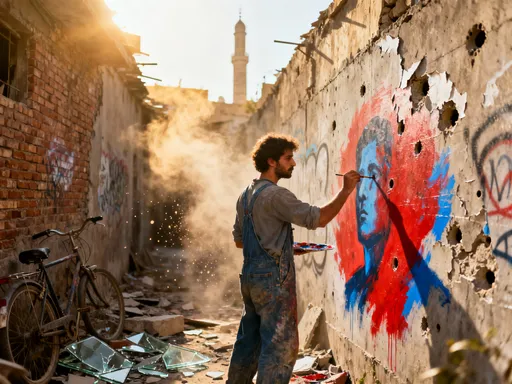
Baguio has long been known as the Philippines’ “City of Pines,” but it might just as accurately be called the “City of Creativity.” Art here isn’t confined to galleries or special events—it spills into the streets, cafes, and classrooms. Along Harrison Road, murals stretch across building walls, their vibrant colors depicting ancestral myths, social themes, and everyday life in the Cordilleras. These aren’t commissioned pieces by foreign artists; they’re expressions by locals, often students from the University of the Philippines Baguio, who use paint as both craft and commentary.
Walking through the campus area, you might stumble upon an open studio where a sculptor shapes a figure from adobe clay, or a poet recites verses in Ilocano beneath a shaded alcove. These moments aren’t staged for tourists—they happen organically, part of the city’s cultural fabric. Art is not a performance but a practice, a way of processing identity, history, and change. Visitors who pause to listen or observe often find themselves drawn into conversations about inspiration, tradition, and the challenges of preserving culture in a globalized world.
Cafés double as exhibition spaces. A small coffee shop near Mines View Park might feature rotating displays of linocut prints or watercolor sketches by emerging artists. Orders are taken quietly in the background while patrons study the work on the walls. Some pieces sell for modest prices, but their value extends beyond money. They represent resilience, memory, and a quiet defiance against homogenization. For the traveler, engaging with this art means stepping into a living dialogue—one that doesn’t demand participation but welcomes attention. In a place where creativity is woven into daily life, even the act of looking becomes an act of connection.
Walking as Discovery
In most tourist destinations, getting from point A to point B is the goal. In Baguio, the journey itself becomes the destination. The city rewards those who walk—not for exercise, but for discovery. Burnham Park, the city’s central green space, is best experienced on foot. Families glide across the man-made lake in paddle boats, children chase ducks near the fountain, and elders practice tai chi in the early morning light. Paths branch off in multiple directions, leading to rose gardens, a small zoo, and quiet benches tucked beneath pine canopies.
But the real magic lies beyond the main attractions. Residential streets like Outlook Drive and Leonard Wood Road wind through hillsides, offering panoramic views and unexpected encounters. A man repairs a bicycle in his driveway, whistling a folk tune. A group of students rehearse a traditional dance in a schoolyard, their movements precise and proud. A vendor sells warm camote cue—roasted sweet potato coated in brown sugar—from a cart that’s been in the same spot for twenty years. These moments aren’t on any itinerary, yet they define the city’s soul.
Walking allows for serendipity. You might return to the same bench three days in a row and notice something new each time: the way sunlight hits the trees at noon, the sound of a distant guitar, the changing display at a neighborhood sari-sari store. Unlike guided tours that move quickly from site to site, foot travel builds intimacy. It slows perception, sharpens awareness, and fosters a sense of belonging. In Baguio, walking isn’t just transportation—it’s a form of listening, a way of learning the city’s quiet language.
Food With Meaning
Eating in Baguio is more than sustenance; it’s a pathway into culture. The city’s cool climate shapes its cuisine in subtle but significant ways. Unlike the spicy, coconut-rich dishes of the lowlands, Cordilleran food emphasizes heartiness and preservation. Dishes like pinikpikan—a traditional chicken preparation made with rhythmic pounding to enhance flavor and tenderness—are rooted in indigenous practices. While the method is ancient, modern interpretations focus on respect and sustainability, using free-range poultry and honoring the animal’s life. Visitors are not expected to participate, but understanding the philosophy behind such dishes fosters deeper appreciation.
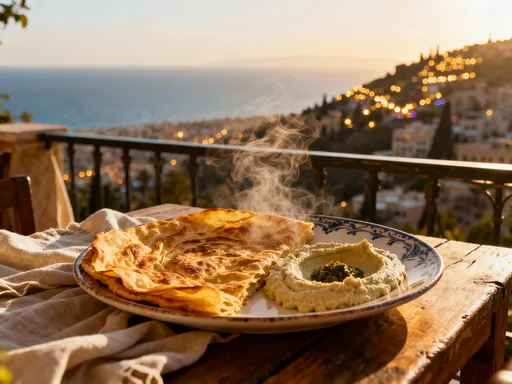
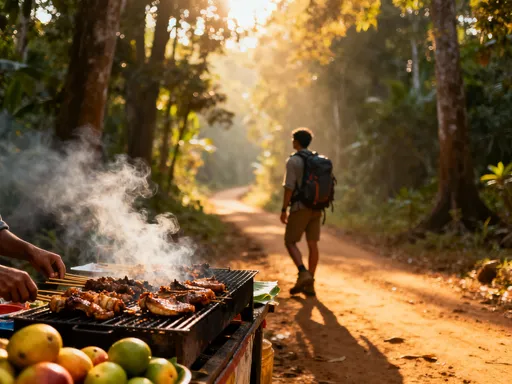
Street food offers another window into local life. Near the market, a woman serves strawberry taho, a warm dessert made with soft tofu, syrup, and fresh strawberries grown in nearby La Trinidad Valley. The sweetness is balanced, not overwhelming—a reflection of the region’s agricultural pride. Native coffee, roasted in small batches, is served in clay mugs at roadside stalls. Each sip carries the richness of highland soil and generations of farming knowledge. These foods aren’t exoticized; they’re everyday comforts, shared with pride.
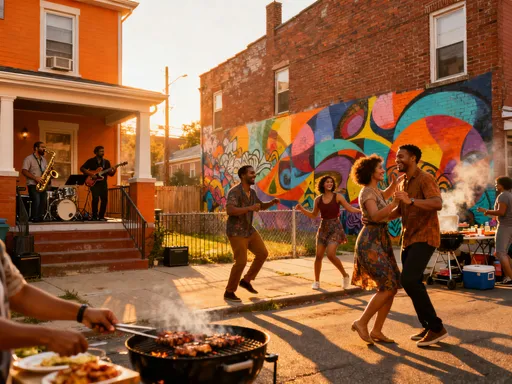
Meals become moments of connection. A simple lunch at a family-run eatery might include stories about how recipes were passed from grandmother to granddaughter. A shared table at a pancit vendor’s cart leads to laughter over mispronounced words. There’s no pretense, no performance—just nourishment and conversation. For the slow traveler, food is not a checklist item but a ritual, a way to honor the people and land that sustain it. In eating mindfully, one learns to listen with more than the ears.
Time Spent, Not Saved
Modern tourism often measures success by how much can be seen in how little time. Baguio challenges that logic. Here, the most meaningful experiences come not from efficiency, but from immersion. One afternoon, instead of visiting the crowded BenCab Museum, I chose to sit in a corner of Burnham Park and watch children fly kites shaped like birds and butterflies. Their laughter carried across the grass, their parents chatting on nearby benches. I returned to the same spot the next day, and the next, each time noticing something new—the way the wind shifted, the different songs played from passing speakers, the elderly couple who always arrived at 4 p.m. with thermoses of tea.
This kind of repetition is rare in travel, where novelty is prized above all. But in Baguio, returning to the same place becomes a form of respect. It says, “I am willing to see you beyond the first impression.” I spent an entire morning in a quiet café reading a book I’d brought, only to close it and simply watch the world outside the window. A woman knitted a scarf, a student sketched in a notebook, a dog napped in a sunlit patch on the floor. Nothing extraordinary happened—and that was the point.
Letting go of schedules creates space for presence. Without a rigid itinerary, I found myself engaging more deeply: asking a vendor about her day, learning how to say “thank you” in Kankanaey, sitting through a sudden rainstorm just to hear the sound of droplets on pine needles. These moments didn’t make it onto social media, but they reshaped my understanding of what travel could be. It’s not about collecting places, but about allowing places to collect pieces of you. In Baguio, time isn’t saved—it’s spent, generously and without regret.
Leaving Lightly, Carrying Deeply
When it was time to leave, I realized I hadn’t bought many souvenirs. No keychains, no mass-produced trinkets. Instead, I carried something less visible but more lasting: the memory of a sunrise over the pine trees, the sound of a hand-carved flute played by a street musician, the warmth of a shared meal with strangers who felt like kin. These are the internal souvenirs—the quiet realizations that linger long after the journey ends. I understood, more clearly than before, that culture cannot be rushed. It must be met with patience, with openness, with a willingness to be changed.
Baguio doesn’t shout for attention. It doesn’t need to. Its power lies in its stillness, its craftsmanship, its unhurried way of life. It reminds us that travel is not just about seeing new places, but about seeing ourselves anew. In a world that moves too fast, Baguio offers a different rhythm—one that invites reflection, connection, and depth. It teaches that the most meaningful journeys are not measured in kilometers, but in moments of quiet clarity.
So if you go, don’t rush. Sit longer. Listen more. Let the cool air fill your lungs and the pine-scented silence fill your thoughts. Let a conversation unfold without checking the time. Let the city breathe around you, and in that space, let yourself breathe too. Slow travel isn’t a trend—it’s a return to what matters. And in Baguio, that return feels not just possible, but natural. Let a place change you. Quietly. Completely.