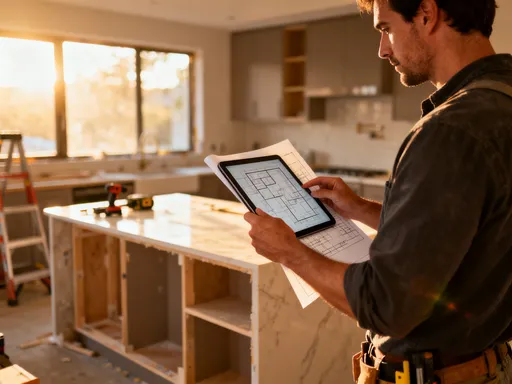
How I Smartly Invested in Home Renovation While Riding Market Trends
You’re not just upgrading walls or floors—you’re making a financial move. I learned this the hard way when I renovated my house without checking market shifts and almost overspent on outdated trends. Since then, I’ve taken a systematic approach: aligning upgrades with real estate demand, timing purchases with material cycles, and focusing on value-boosting changes. This isn’t about aesthetics alone—it’s about smart investment. Let me walk you through how home renovation can be a strategic play in your financial plan.
The Hidden Investment Behind Home Renovation
Home renovation is often seen as a necessary expense, something homeowners do to refresh worn-out spaces or accommodate growing families. But beneath the surface, a well-planned renovation can function as a powerful investment tool. Unlike other household expenditures that lose value over time, certain home improvements can increase property equity, reduce long-term costs, and even open doors to new income opportunities. The key lies in shifting perspective—from viewing renovation as consumption to recognizing it as asset enhancement. When you frame upgrades in financial terms, every decision becomes an opportunity to strengthen your balance sheet.
Consider the difference between cosmetic updates and structural enhancements. Painting a room may make it feel fresh, but it rarely adds measurable value to a home’s appraisal. On the other hand, adding a bathroom, expanding kitchen functionality, or finishing a basement can significantly boost market appeal and resale price. According to data from the National Association of Realtors, homeowners who invest in high-return projects typically recoup 70% to 85% of their costs upon sale, with some improvements exceeding 100% return in strong markets. This kind of return rivals many traditional investment vehicles, especially when factoring in the compounding effect of living in a more valuable home.
Moreover, renovations can generate passive income. A converted garage or basement apartment, for example, can become a rental unit, providing monthly cash flow while increasing overall property worth. In cities where zoning allows, accessory dwelling units (ADUs) have become increasingly popular among homeowners seeking to monetize underused space. These additions not only serve immediate family needs—like housing aging parents or adult children—but also position the property to attract a broader pool of buyers in the future. Thus, a renovation done with foresight can serve multiple financial purposes: enhancing comfort, generating income, and building long-term wealth.
Yet many people still treat renovations emotionally, choosing designs based on personal taste rather than market relevance. This can lead to over-improvement—spending beyond what the neighborhood supports—or investing in features that don’t resonate with potential buyers. A luxury wine cellar may be delightful for the owner, but in a mid-tier suburban market, it’s unlikely to deliver proportional returns. The mindset shift required is simple but profound: your home is not just a place to live; it’s one of your most significant financial assets. By managing it with the same care as a retirement portfolio, you unlock its full potential as a vehicle for financial growth.
Understanding Market Trends That Impact Renovation Value
The success of any renovation investment hinges on alignment with current real estate market trends. What buyers want today may differ drastically from just a few years ago, and failing to recognize these shifts can result in wasted spending. One of the most transformative influences in recent years has been the rise of remote work. With millions now conducting professional tasks from home, dedicated office spaces have moved from luxury to necessity. Homes featuring quiet, well-lit rooms with reliable internet connectivity are commanding premium prices. In fact, a 2023 study by Zillow found that properties listing a home office sold for an average of 10% more than comparable homes without one, even after controlling for size and location.
Energy efficiency has also risen to the top of buyer priorities. Rising utility costs and growing environmental awareness have made features like double-pane windows, high-efficiency HVAC systems, and solar panel readiness highly desirable. These upgrades not only lower monthly expenses but also appeal to a generation of buyers who value sustainability. Appraisers and lenders increasingly consider energy performance when evaluating property value, meaning that eco-conscious improvements can directly influence financing terms and resale potential. For instance, homes with ENERGY STAR-certified appliances and insulation standards often qualify for favorable mortgage rates and government incentives, further improving affordability and return on investment.
Another major trend shaping renovation decisions is the shift between urban and suburban living preferences. While city centers once dominated demand, the post-pandemic era has seen renewed interest in suburban and exurban homes offering more space, private yards, and quieter environments. This migration has increased the value of outdoor living areas, such as decks, patios, and landscaped gardens. A well-designed outdoor kitchen or covered seating area can extend usable living space and significantly enhance curb appeal. Real estate agents report that homes with functional outdoor zones spend less time on the market and receive higher offer-to-list ratios, particularly in family-oriented neighborhoods.
Additionally, aging demographics are influencing demand for accessibility-friendly features. As baby boomers age in place, there’s growing interest in universal design elements—walk-in showers, single-level living, wider doorways, and non-slip flooring. These modifications not only improve safety and comfort but also broaden a home’s appeal to older buyers and those with mobility challenges. Importantly, such upgrades don’t need to look clinical or institutional; modern design allows for stylish integration of accessibility features that maintain aesthetic appeal. By staying attuned to these evolving preferences, homeowners can make informed choices about which renovations will deliver lasting value rather than fleeting satisfaction.
Timing Your Renovation with Economic Cycles
Just as investors watch stock markets for entry points, savvy homeowners monitor economic cycles to determine the best time to renovate. Material costs, labor availability, and financing conditions all fluctuate throughout the year and across economic phases. Launching a project during a peak period can inflate expenses by 20% or more, while strategic timing can yield substantial savings. Understanding these patterns allows you to stretch your budget further and maximize the return on every dollar spent.
One of the most volatile cost components in renovation is building materials. Lumber prices, for example, have historically experienced sharp swings due to supply chain disruptions, tariffs, and seasonal demand. In 2021, the price of softwood lumber spiked nearly 300% compared to pre-pandemic levels, making framing and flooring projects prohibitively expensive for many. However, by late 2022 and into 2023, prices stabilized and even declined as production caught up with demand. Homeowners who delayed major structural work during the peak avoided unnecessary overruns. Monitoring commodity indices or consulting with local suppliers can help identify favorable windows for purchasing materials in bulk, especially for large-scale projects like additions or roof replacements.
Labor costs are another area where timing matters. Contractors tend to be busiest—and most expensive—during spring and summer months when weather permits outdoor work. Scheduling interior renovations, such as kitchen or bathroom remodels, during the fall or winter can lead to better pricing and faster scheduling, as demand for contractors dips. Some professionals even offer off-season discounts to maintain steady workflow. Additionally, early planning allows you to secure skilled labor before peak season booking fills up, reducing the risk of delays or having to settle for less experienced crews.
Financing conditions also play a crucial role. When interest rates are low, home equity loans and lines of credit become more affordable, making it easier to fund improvements without depleting savings. Conversely, during periods of rising rates, borrowing becomes costlier, so it may make sense to accelerate planned renovations or explore alternative funding strategies. Government programs often tie incentives to specific timeframes—for example, tax credits for energy-efficient windows or insulation may expire at the end of a fiscal year. Being aware of these deadlines ensures you don’t miss opportunities to reduce net costs. By aligning your renovation timeline with broader economic rhythms, you turn timing into a silent partner in your investment strategy.
Prioritizing Projects That Maximize Returns
Not all renovations are created equal when it comes to financial payoff. Some deliver strong returns; others barely break even. To ensure your investment pays off, it’s essential to prioritize projects based on their proven ability to increase home value and attract buyers. The Remodeling Cost vs. Value Report, published annually, provides detailed data on return on investment across various upgrades, helping homeowners make evidence-based decisions.
Kitchen remodels consistently rank among the top-returning projects, particularly midrange updates. Replacing outdated appliances, upgrading countertops to durable materials like quartz, and installing soft-close cabinets can yield returns of 70% to 80% at resale. However, high-end luxury kitchens often fail to recoup full costs, especially in moderate-price neighborhoods. The key is balance—modernizing for function and appeal without over-customizing. Stainless steel appliances, neutral color palettes, and efficient layouts tend to have broad appeal, whereas exotic finishes or highly personalized designs may deter potential buyers.
Bathroom renovations also offer solid returns, particularly when addressing outdated fixtures or cramped layouts. Adding a second bathroom in homes that previously had only one can dramatically improve functionality and marketability. According to industry data, a midrange bathroom remodel typically returns around 65% to 75% of the cost. Simple upgrades like replacing old tile, installing water-saving fixtures, and improving lighting can make a significant difference without requiring a full gut renovation. As with kitchens, staying within the neighborhood’s typical price range ensures the improvement enhances rather than overshadows the property.
Exterior improvements often provide some of the highest returns due to their impact on first impressions. Replacing an old garage door or installing new vinyl siding can return over 90% of the project cost. These changes not only improve appearance but also contribute to energy efficiency and maintenance savings. Similarly, updating entry doors with insulated, aesthetically pleasing models enhances security and curb appeal. Outdoor living spaces, such as composite decks or covered patios, have gained popularity and can return 60% to 75% depending on region and design. While they may not offer the same dollar-for-dollar recovery as structural updates, they significantly boost perceived value and livability, helping homes sell faster and at higher prices.
Balancing Cost Control and Quality for Long-Term Gains
One of the greatest challenges in home renovation is striking the right balance between cost and quality. While it’s tempting to cut corners to stay within budget, low-quality materials and shoddy workmanship can lead to premature failures, safety hazards, and reduced resale value. On the other hand, overspending on premium brands or unnecessary luxuries can erode returns. The goal is to make cost-effective choices that ensure durability, functionality, and broad appeal.
Material selection plays a critical role. For flooring, for example, luxury vinyl plank (LVP) has become a popular alternative to hardwood due to its durability, water resistance, and lower cost. It mimics the look of wood but withstands spills and heavy foot traffic, making it ideal for families. In kitchens and bathrooms, quartz countertops offer a favorable balance of beauty, strength, and low maintenance compared to natural stone. These choices deliver high perceived value without the premium price tag, allowing homeowners to allocate savings toward other high-impact areas like lighting or storage solutions.
Contractor selection is equally important. Working with licensed, insured professionals reduces the risk of substandard work and protects against liability. Getting multiple bids, checking references, and reviewing past projects helps identify reliable partners. It’s also wise to avoid the lowest bid if it seems unrealistically low—such offers may indicate corners being cut or hidden costs down the line. Clear contracts outlining scope, timeline, payment schedule, and warranty terms protect both parties and prevent misunderstandings.
Bulk purchasing and timing discounts can further stretch your budget. Some suppliers offer reduced rates for buying materials like tile, flooring, or lighting fixtures in larger quantities. Home improvement stores often run seasonal promotions, particularly around holidays like Memorial Day or Labor Day, when sales on appliances and tools are common. Taking advantage of these opportunities, combined with energy rebate programs, can significantly lower net costs. Ultimately, the focus should be on long-term value: spending a little more upfront to avoid costly repairs or replacements later ensures your renovation remains a smart financial decision for years to come.
Risk Management in Home Improvement Spending
Even the most carefully planned renovations carry inherent risks. Unexpected structural issues, permit delays, contractor disputes, or budget overruns can quickly turn a manageable project into a financial burden. Without proper safeguards, a single renovation can strain household finances, deplete emergency funds, or jeopardize other financial goals. Implementing sound risk management practices is essential to protect your financial stability while pursuing home value growth.
One of the most effective tools is establishing a contingency fund. Financial advisors commonly recommend setting aside 10% to 15% of the total project budget for unforeseen expenses. During demolition, it’s not uncommon to discover hidden problems such as water damage, mold, outdated wiring, or foundation cracks. Having reserve funds allows you to address these issues promptly without halting progress or resorting to high-interest financing. This buffer also provides peace of mind, reducing stress and enabling more rational decision-making when surprises arise.
Proper insurance coverage is another critical layer of protection. Standard homeowners insurance may not cover damage caused during renovations, especially if work is done by unlicensed contractors. Discussing your project with your insurer beforehand ensures you understand what is and isn’t covered. In some cases, adding a renovation rider or requiring contractors to carry liability insurance protects against accidents, theft, or property damage. Permits are also essential—not only to comply with local codes but to avoid fines or complications during future resale. Unpermitted work can deter buyers and lead to costly corrections before closing.
Phasing projects can further reduce risk. Instead of undertaking a full home overhaul at once, breaking the work into stages allows better cash flow management and reduces disruption. For example, completing the kitchen in year one and bathrooms in year two spreads out costs and gives time to reassess priorities. This approach also enables you to reinvest savings from one phase into the next, potentially avoiding debt. By treating renovation like a financial project—with budgets, timelines, and risk mitigation—you maintain control and ensure it supports, rather than undermines, your overall financial health.
Integrating Renovation into Your Broader Financial Plan
A home renovation should never exist in isolation from your overall financial strategy. It’s easy to get caught up in design choices and material samples, but the most successful projects are those that align with larger goals like debt reduction, retirement planning, and emergency preparedness. Before committing to any upgrade, it’s crucial to assess how it fits within your current financial picture. Can you afford it without increasing credit card debt? Will it impact your ability to save for college or retirement? Does it support long-term stability or create unnecessary strain?
Liquidity is a key consideration. Tying up too much equity in home improvements can leave you vulnerable if unexpected expenses arise. Financial planners often advise maintaining three to six months’ worth of living expenses in accessible accounts. If a renovation depletes these reserves, it increases financial fragility. Similarly, avoiding over-leveraging is critical. While home equity loans can provide funding, taking on excessive debt against your home puts your biggest asset at risk, especially in a rising interest rate environment or if property values decline.
Renovations can also play a strategic role in tax planning. Certain energy-efficient upgrades qualify for federal or state tax credits, effectively reducing the net cost. Additionally, if part of your home is used for business purposes—such as a dedicated home office—you may be eligible for deductions related to that space. Consulting a tax professional ensures you take full advantage of available benefits while staying compliant.
Finally, consider how renovations contribute to long-term life goals. A multigenerational home designed for aging parents may reduce future care costs. A rental-ready basement can supplement retirement income. Each project should be evaluated not just for its immediate benefit but for how it supports your evolving needs over decades. When viewed through this lens, home renovation becomes more than a home improvement—it becomes a deliberate step toward lasting financial well-being.
Renovating with purpose transforms a personal project into a powerful financial decision. By staying informed, timing wisely, and planning systematically, you don’t just create a better home—you build smarter wealth.